Around the Next Corner & Other Tales
The Bisate-Mango Gorilla Habitat Reforestation Project
Posted 2019-09-12
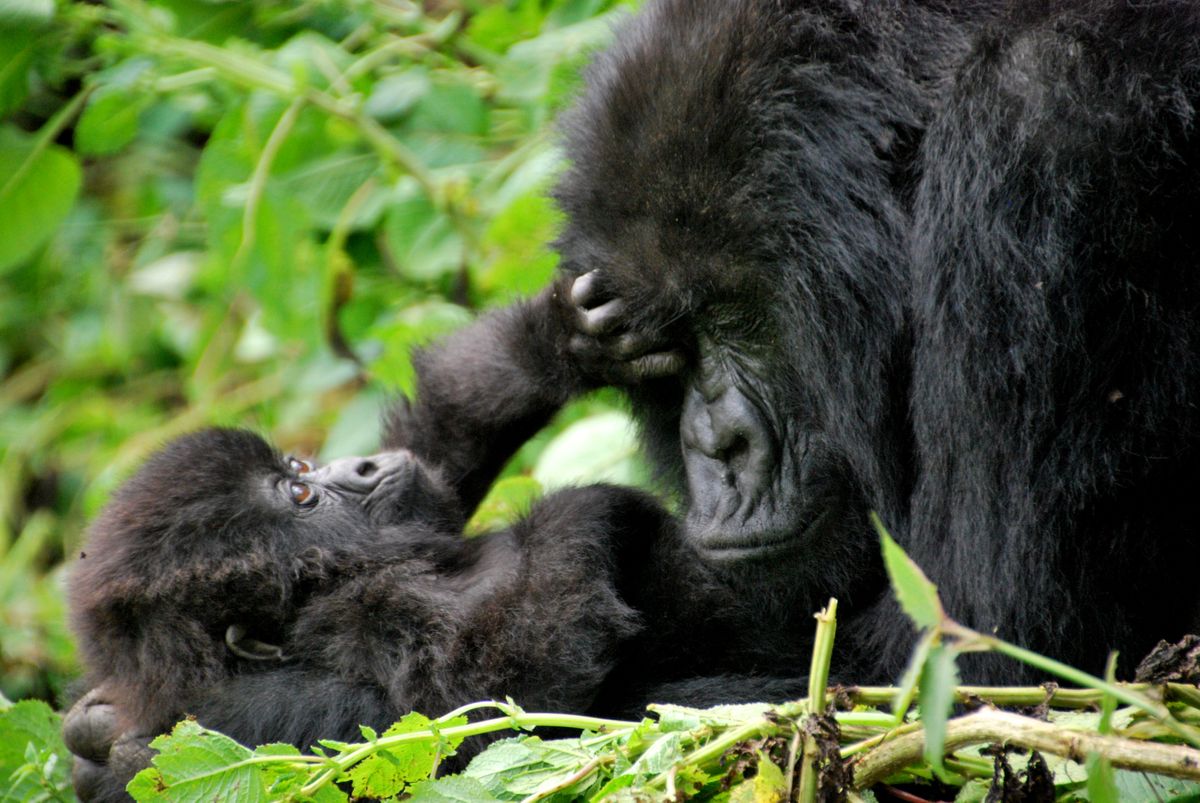
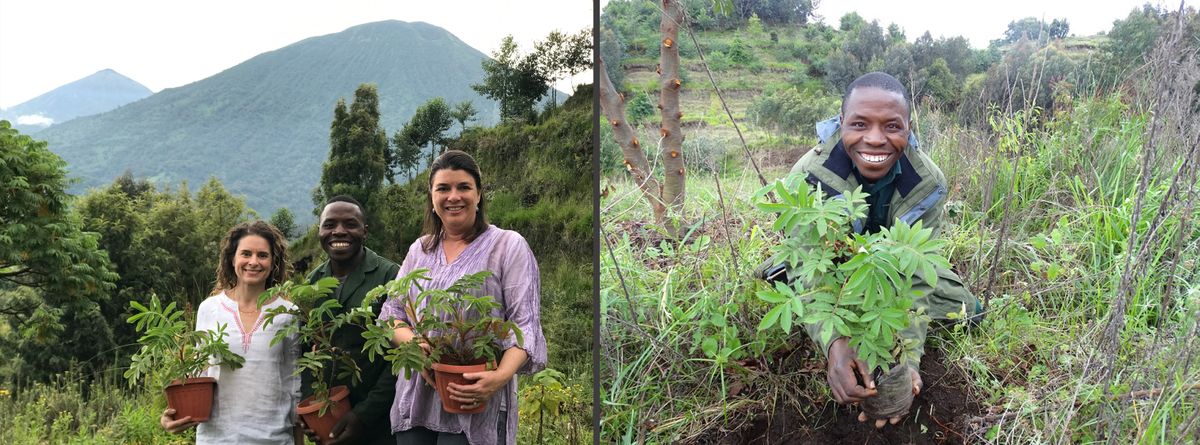
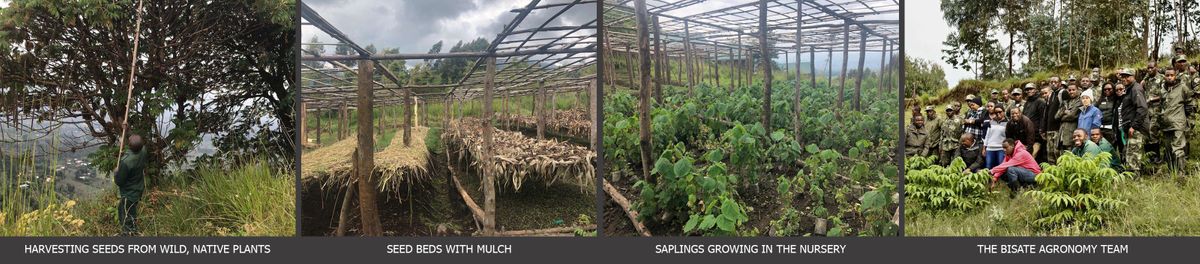
At the heart of Mango Safaris’ values are wildlife conservation and the desire to protect Africa’s wildest destinations. We believe deeply in giving back to the beautiful areas we visit by supporting conservation projects ranging from rescuing orphaned baby animals to habitat restoration. Throughout our 20 years of business, we have partnered with numerous reputable conservation organizations. Most recently, we are proud to be a part of Wilderness Safaris' Gorilla Habitat Reforestation Project at Volcanoes National Park, Rwanda.
A Taste of Cape Town
Posted 2019-06-22
Cape Town, South Africa has been known as a food and wine destination for many years. La Colombe & The Test Kitchen are two of Cape Town’s top restaurants that are regularly rated as best in the world. While these two restaurants are fairly impossible to get a reservation, the fabulous news is that there are literally hundreds of other quality choices to pick from.
After a five weeks of “restaurant testing” all over the city I can confidently say that Cape Town is indeed a foodie destination. There is a vibrant restaurant scene for every person's price point - whether you want the more casual style or a seven course fine dining experience.
Below are just a few samplings of my favorite restaurants....
BLACK SHEEP
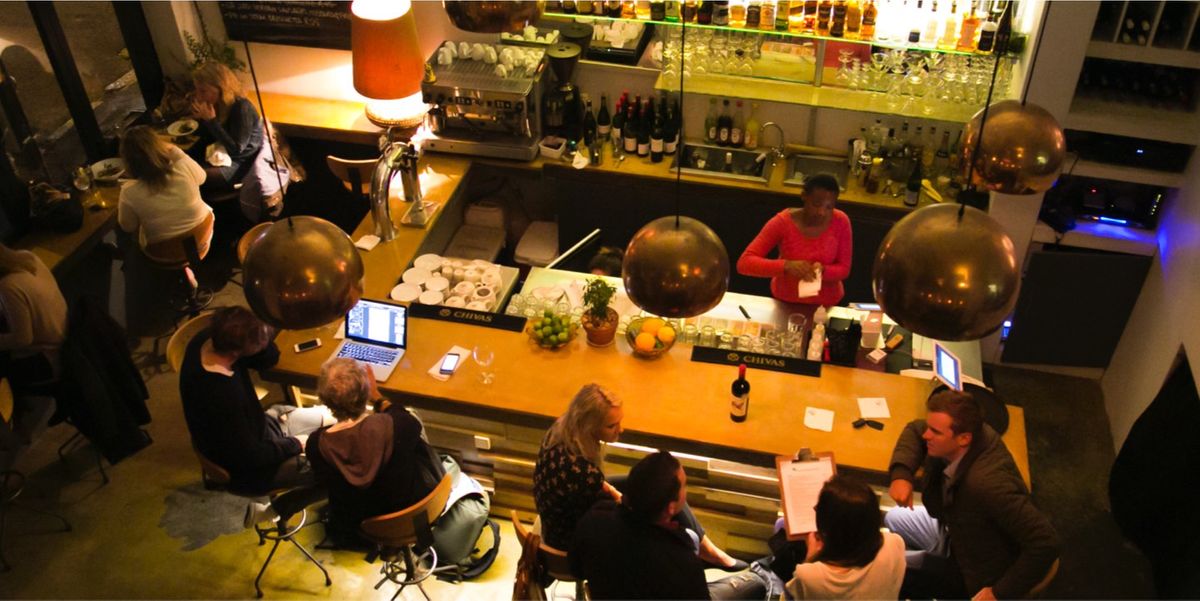
The daily changing blackboard menu always has something for everyone. Fresh and simple foods in a fun relaxed atmosphere is what this restaurant is about. The portions are generous but delicious enough it is worth ordering a starter to split. They have a lovely selection of wines, beers and mixed drinks. This was one of my favorite relaxed dining options. We tested out both the lunch and dinner menus and everything we tried was two thumbs up.
THALI TAPAS
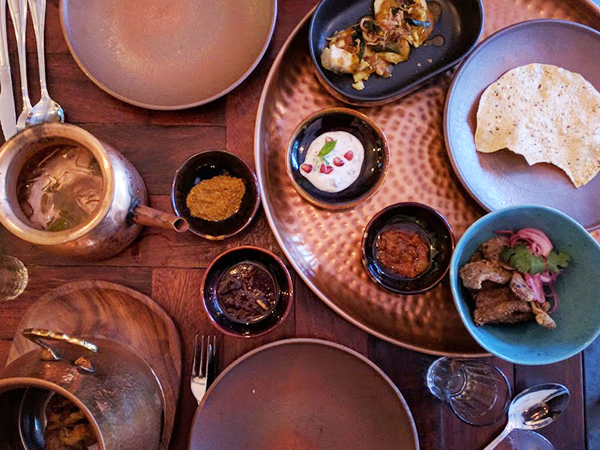
This is part of the award winning chef Liam Tomlin’s group of restaurants. The Indian meal is a set meal (but with variations for any dietary preferences or allergies) and is out of this world. Using a huge variety of Indian spices the eight dish meal brings to the table a glorious feast of flavors. Drink choices are abundant and the service was top notch with explaining the various dishes. Neither of us could stop eating even though the eight dishes were way more food than we would normally eat. This restaurant does not accept reservations and is on a first come first serve basis but is well worth it to include while you are in Cape Town.
KLOOF STREET HOUSE
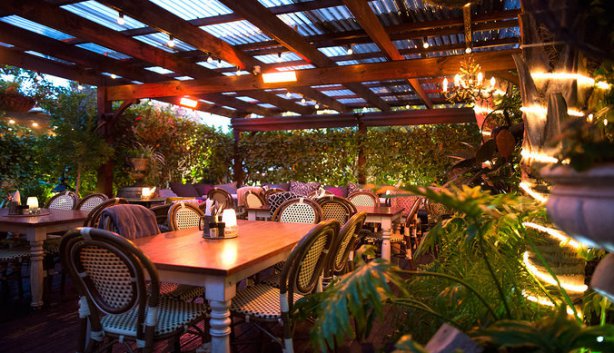
This was a favorite of ours in the ambience category. The restaurant is set in an old Victorian house with lots of charm right on Kloof Street – so a great location for those folks staying in the City Bowl. When the weather is good see if you can get a table out in the fairy lit magical garden. The food is Mediterranean inspired with a South African twist. They have a large menu varying from small plates, sharing platters, main course and dessert.
FOXCROFT
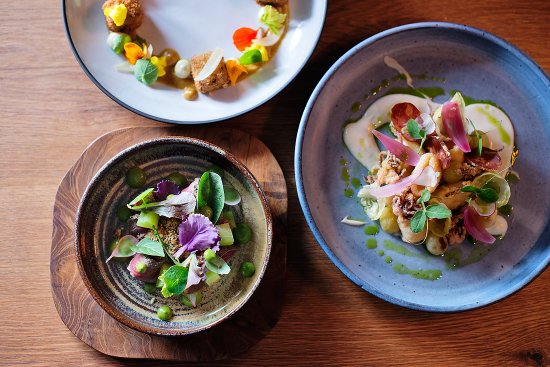
Owned and operated by the same folks that run La Colombe, this restaurant is well worth the trek. It is located in Constantia which is roughly a 30 minute ride from the city center (depending on traffic). We tasted their set four plate menu, which was delightful! The service was some of the best we experienced in our dining out, and not only helped us through picking our choices from the menu, but also had incredible wine knowledge to make pairing recommendations. Each plate was well presented and extremely colorful and full of flavor. Overall an amazing experience from start to finish.
POT LUCK CLUB
This is a sister restaurant to Luke Dale Robert’s Test Kitchen. The downside is that it is difficult to get a reservation as they only open up reservations on the 1st of each month. It’s in a fun setting in the Woodstock region of Cape Town. The restaurant is on the 6th floor of a silo that sits in the Biscuit Mill complex. Before or after dining set aside some time to take a stroll through the numerous fun shops at in this complex. The menu is all tapas options. The staff will recommend three to five small plates per person and there are plenty of options to please everyone. The bring the dishes in order from lightest to heaviest flavors. We loved all of our choices with the exception of the dessert being a disappointment. The service was friendly and the location is fun.

HONEST CHOCOLATE SHOP
Last but not least - if you need a quick sugar fix while you are in Cape Town make sure you stop by Honest Chocolate shop located between Bree and Loop Street. Their signature dish is called the banana bread bunny chow. It is a banana bread muffin hollowed out in the middle to be filled with ice cream and a rich chocolate sauce. YUM!

The Mango team delights in making you restaurant reservations while you are in Cape Town. We think the dining experience should definitely be a part of your overall experience while in this amazing city.
Images from the restaurants.
Exploring Madagascar's Wonders with Suzanne
Posted 2019-04-23
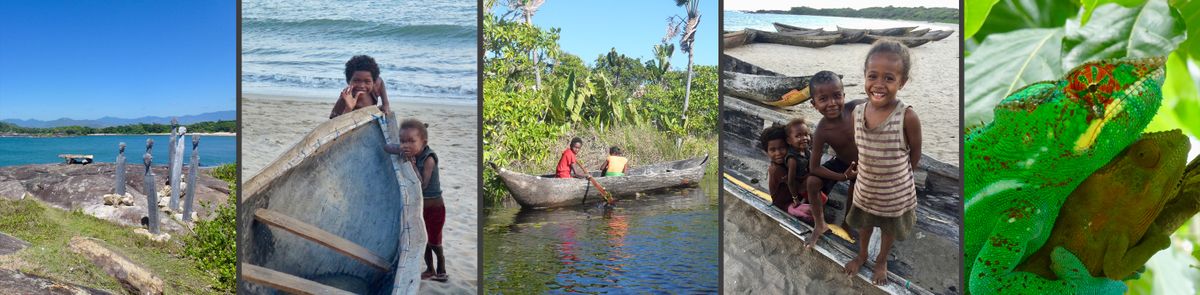
Madagascar is an exciting place to visit and quite different from mainland Africa. In fact it is so different from other African countries that it is often called the 8th continent. The country has an incredible variety of geography from the high plateaus, to the miles of beaches and coastlines to the different types of forest. It is one of the most diverse landscapes I have seen in such a small geographic area. Every location has its own unique species and with each exploration it is full of surprises. What’s amazing is each of these destinations is just a few hours away.

Just about everything you will see on the island (lemurs, chameleons, birds, fauna) is endemic to the island – it is almost at 90%. And due to the absence of monkeys and predators (with the exception of the unique fossa) this island supports 103 lemur species. This is the only place in the world you can find them.
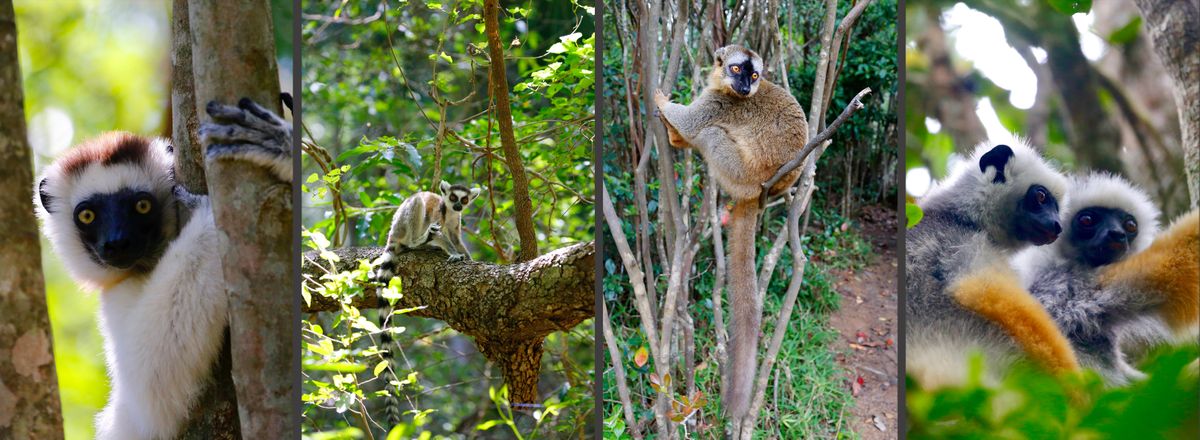
My recent trip brought me to some of Madagascar’s best highlights. I started off with some relaxation on the beaches (and swimming with the whale sharks) on Nosy Be. Then off for some exploring through the Andasibe Mantadia national park. Here the haunting sound of the indri call rang through the forest as they leap from tree to tree. One of my favorite lemurs to see in this region is the gorgeous white and orange fur of the diademed sifaka. Night walks were very productive with numerous species of chameleon’s, frogs, spiders and some more species of lemurs commonly spotted at night including the tiny little gray mouse lemur hiding in the trees and the dwarf lemurs coming down to drink water from the plants at night.
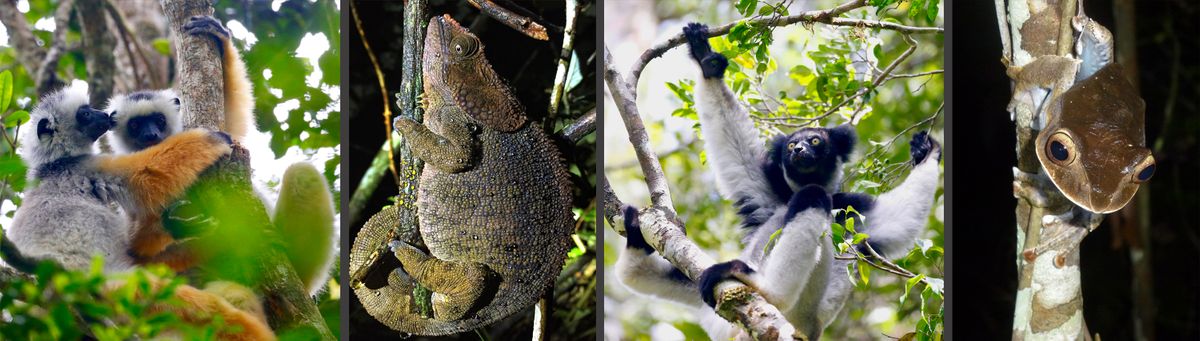
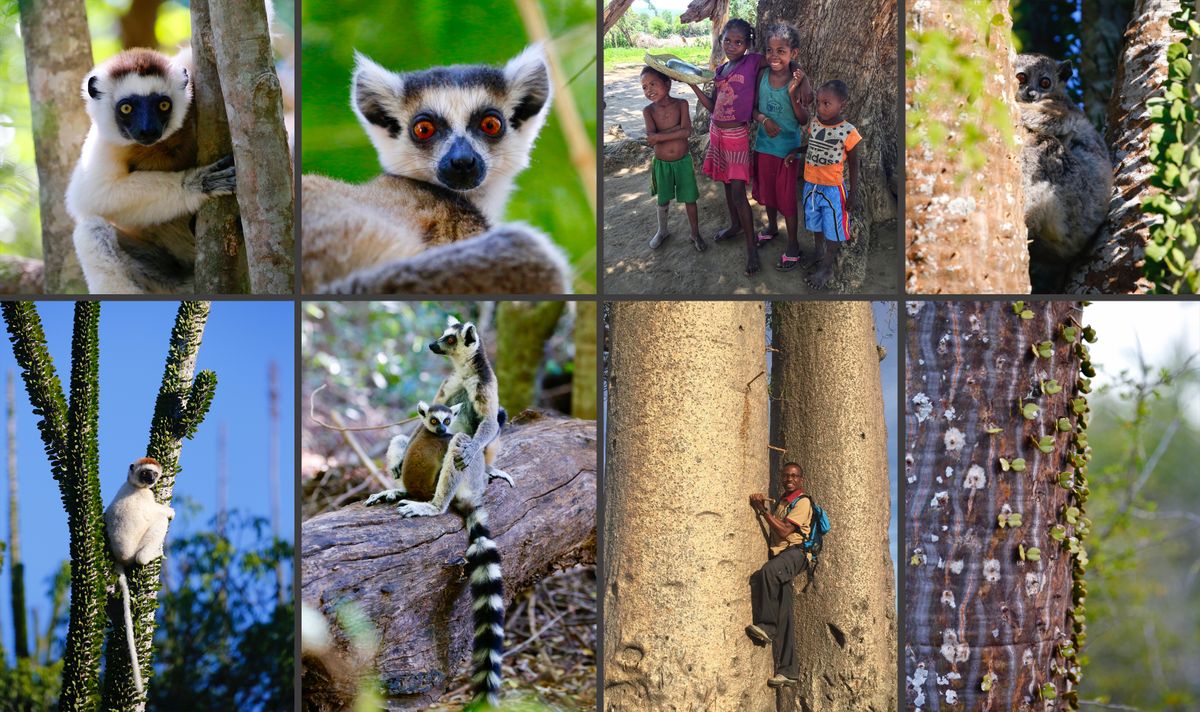
Next up was Mandrare, located in the southeast of the island, which was a true highlight. In the morning we would visit the spiny forest to watch the Verraux’s sifakas jump from cactus to cactus and in the afternoon just thirty minutes away by vehicle we visited the canopy forest to see the ring tailed lemurs jumping around on the ground. Night walks were also very productive here to see the white-footed sportive, grey mouse and grey brown mouse lemurs. The local community was a great cultural experience to learn more about the local way of life and their sacred forests.
Casey and the Fam do the Serengeti
Posted 2018-06-17
My family’s next stop of our East African adventure took us to Tanzania, which shares a border with Kenya. Both the Serengeti (Tanzania) and the Masai Mara (Kenya) are famous safari destinations, but not many realize that they are in fact one contiguous ecosystem that has been split into two by a political boundary.
FOUR SEASONS SERENGETI
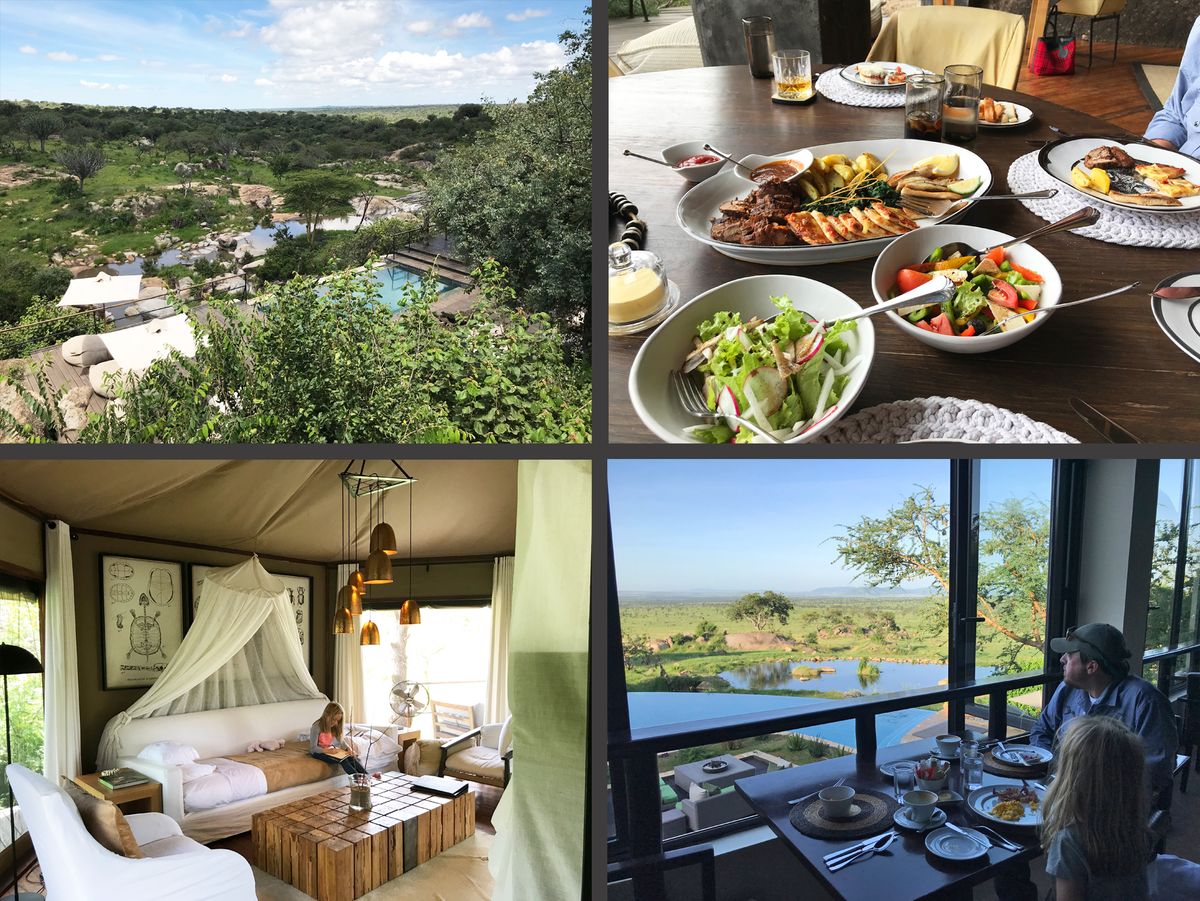
Our accommodation was the Serengeti Four Seasons and Mwiba Camp. While a departure from Mango’s usual preference for smaller, intimate camps, the Serengeti Four Seasons is ultra luxurious and perfect for large groups traveling together or those seeking a more traditional hotel experience. With several restaurants, a kids club, a traditional boma, large spa and billiards room, this brings the high end amenities of a city hotel to the middle of the Serengeti. Thanks to even, raised walkways, this is also a great place for those with mobility issues.
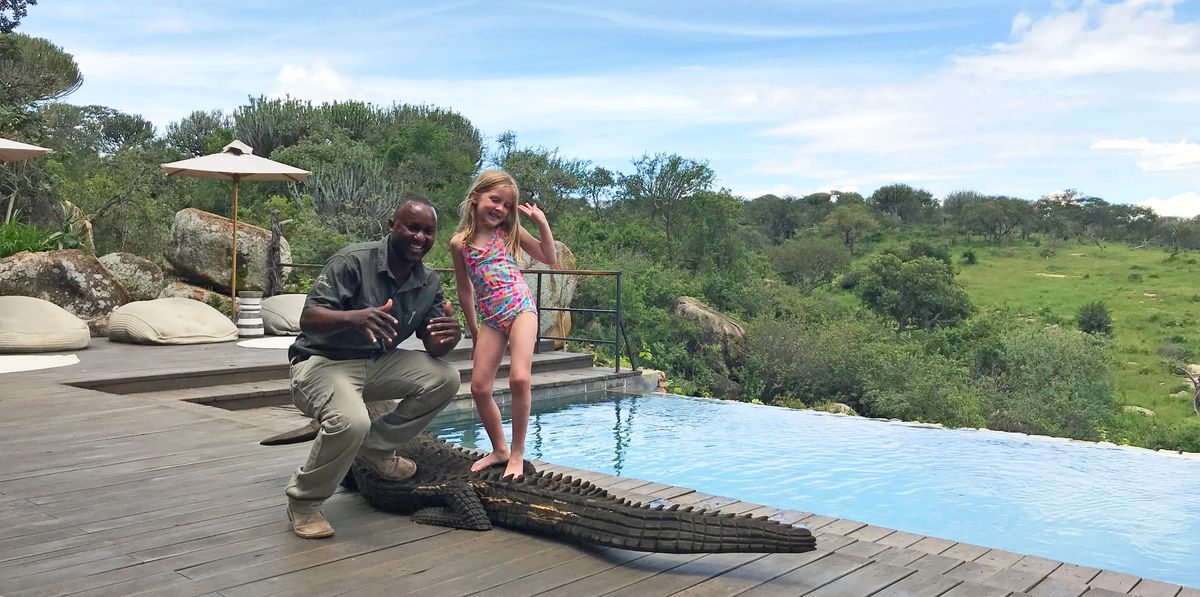
Our room was comfortable and well-appointed like a city hotel, but with a safari flair. My daughter loved the large main pool for the downtime between game drives. Not only is heated (it can get chillier there than you would think), but it also overlooks a lively waterhole. There’s nothing better than relaxing and playing with your kids against a backdrop of elephants, gazelles and giraffes.
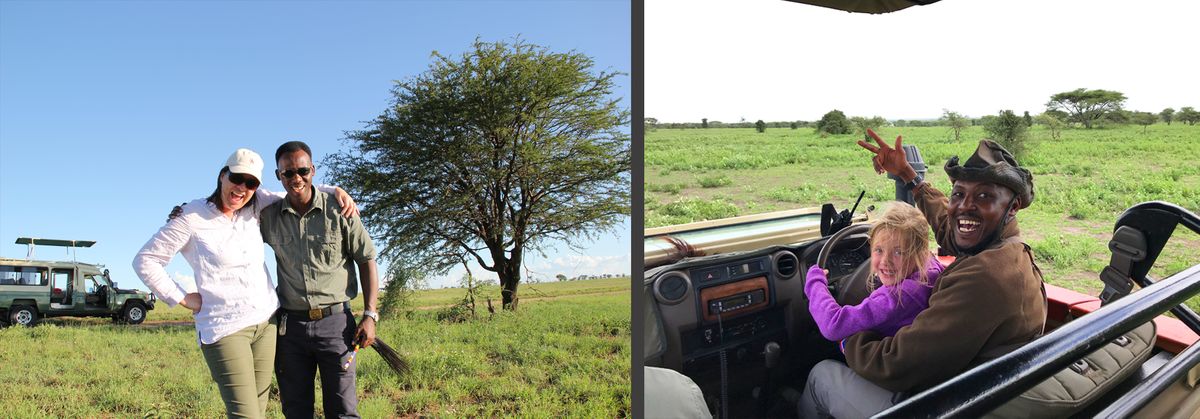
Throughout our stay, the lovely Tanzanian staff took excellent care of us. As we traveled outside of the peak season, it was uncrowded and peaceful. When we went on game drives, we were impressed with the diversity and abundance of the wildlife we encountered. The guides were knowledgeable and very child friendly. A good guide makes all the differences when traveling with children. Many will have kids of their own, and love inspiring the next generation of conservationists.
MWIBA CAMP
Mwiba is a fantastic region comprising two private concessions bordering the southern end of Serengeti National Park, up in the Ngorongoro Highlands. We love this area because it is a prime example of converting a concession once used for consumptive trophy hunting tourism into sustainable, ethical photographic safari tourism.
A small and intimate camp with just 10 rooms, Mwiba Camp is phenomenal for families. All activities are privately guided and you're guaranteed your own guide and vehicle throughout your stay. Whent traveling with kids, this is an absolutely luxury! It means you can explore at your own pace, take breaks when you need and depart/return from activities as suits the needs of your family. Additionally, the seasonal camp is the only one located in the region, giving total privacy and exclusivity - something that we love at Mango!
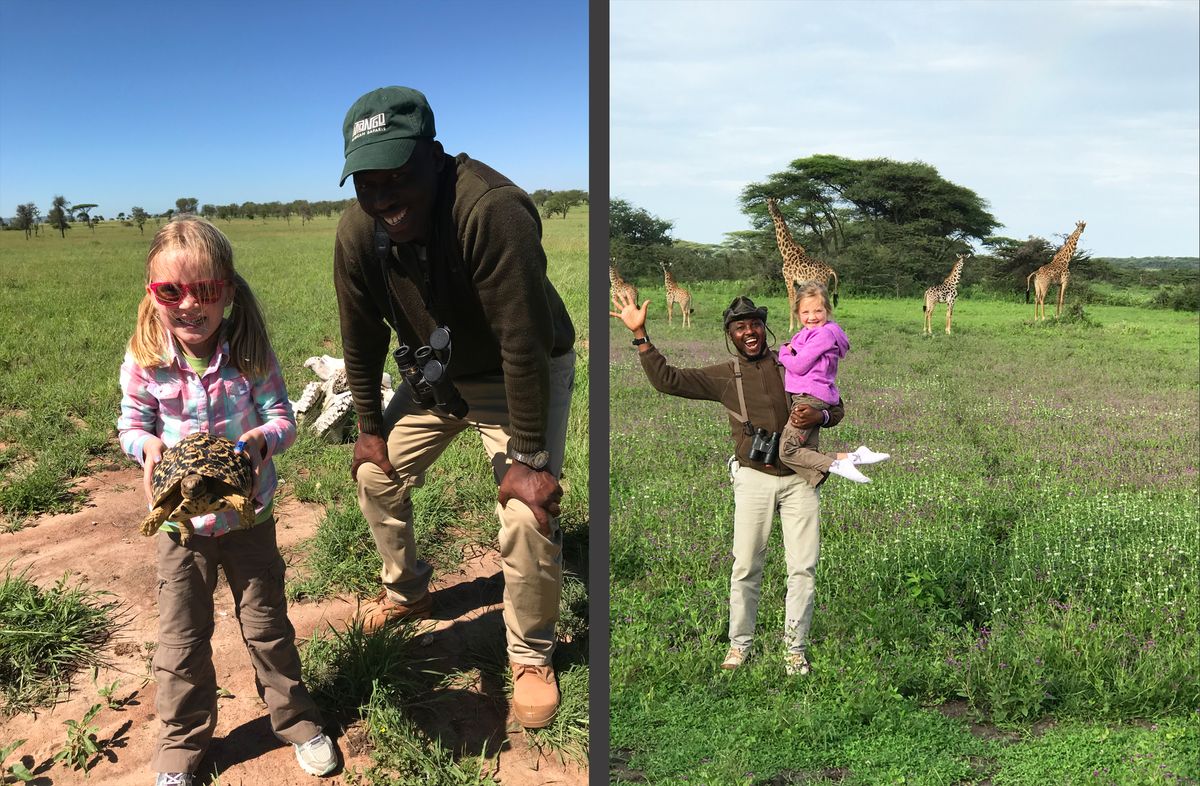
Being on a private concession has some serious benefits in terms of offerings. We were able to drive off road, drive at night searching for elusive nocturnal wildlife, go for bush picnics in the best spots, go for a walking safari and participate in cultural walking excursions with the local tribes - all of which my daughter loved! The staff are fantastic with children and the butlers did a wonderful job playing with and entertaining the kiddos in camp. Between the pool, the games and the activities designed just for kids, Stella had an absolute blast.
Casey and the Fam do the Laikipia Plateau!
Posted 2018-06-15
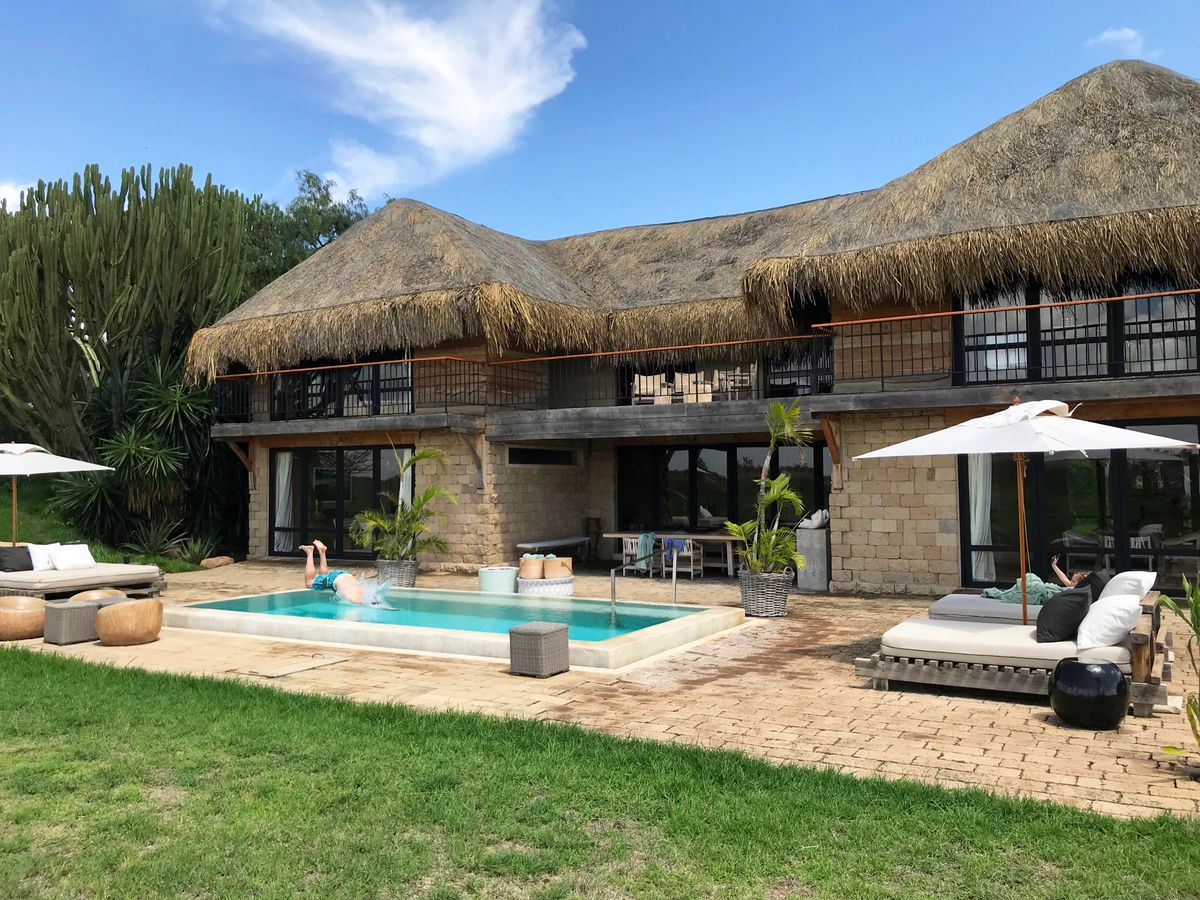
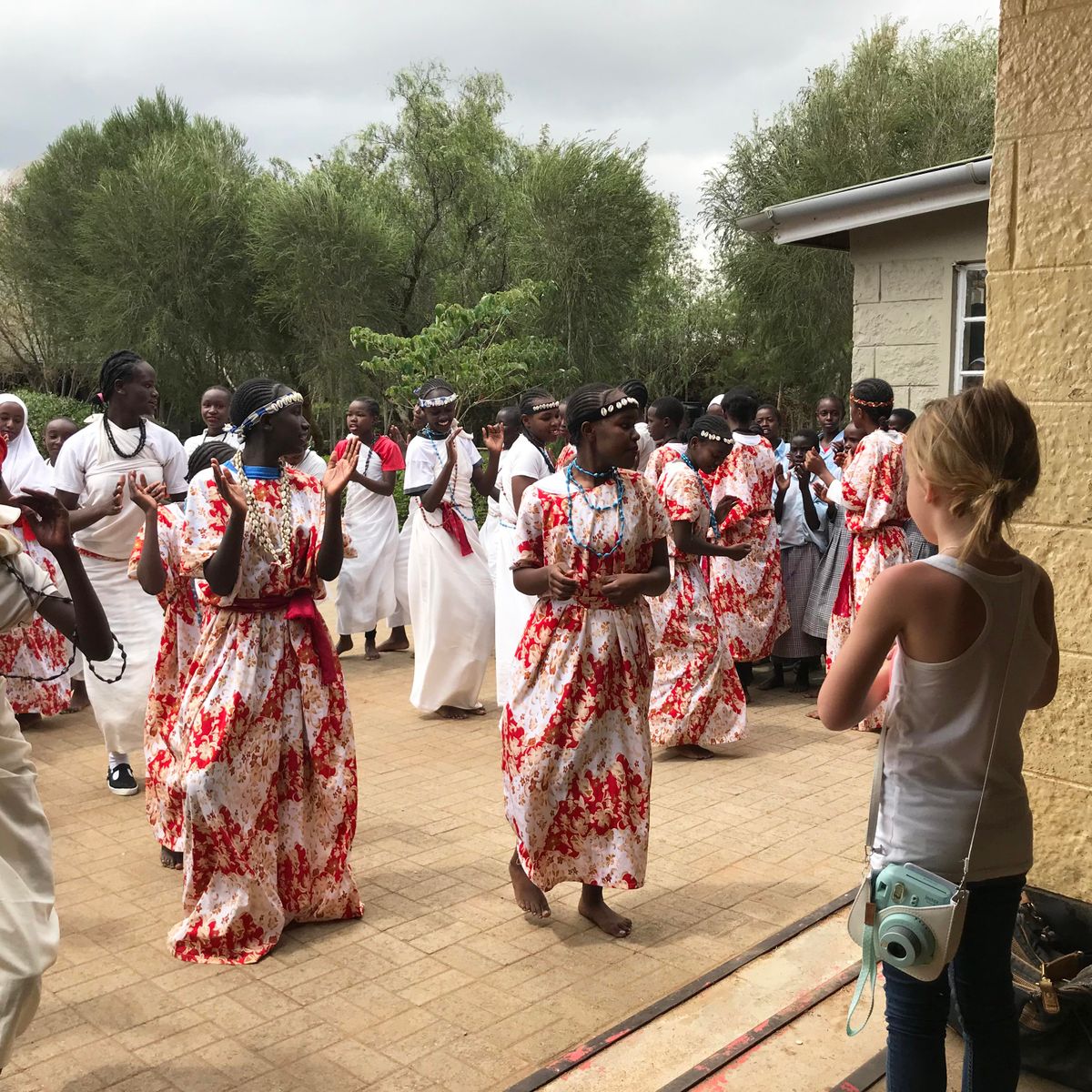
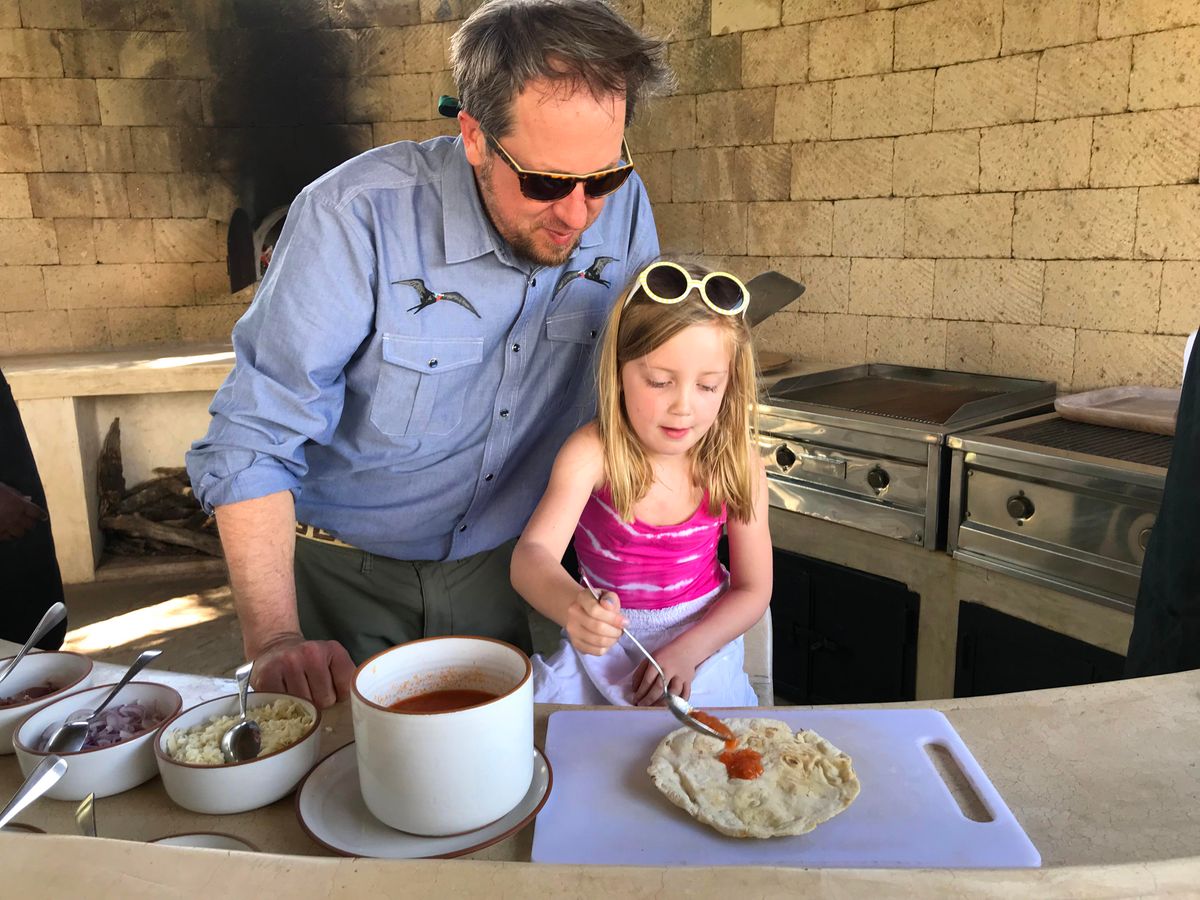
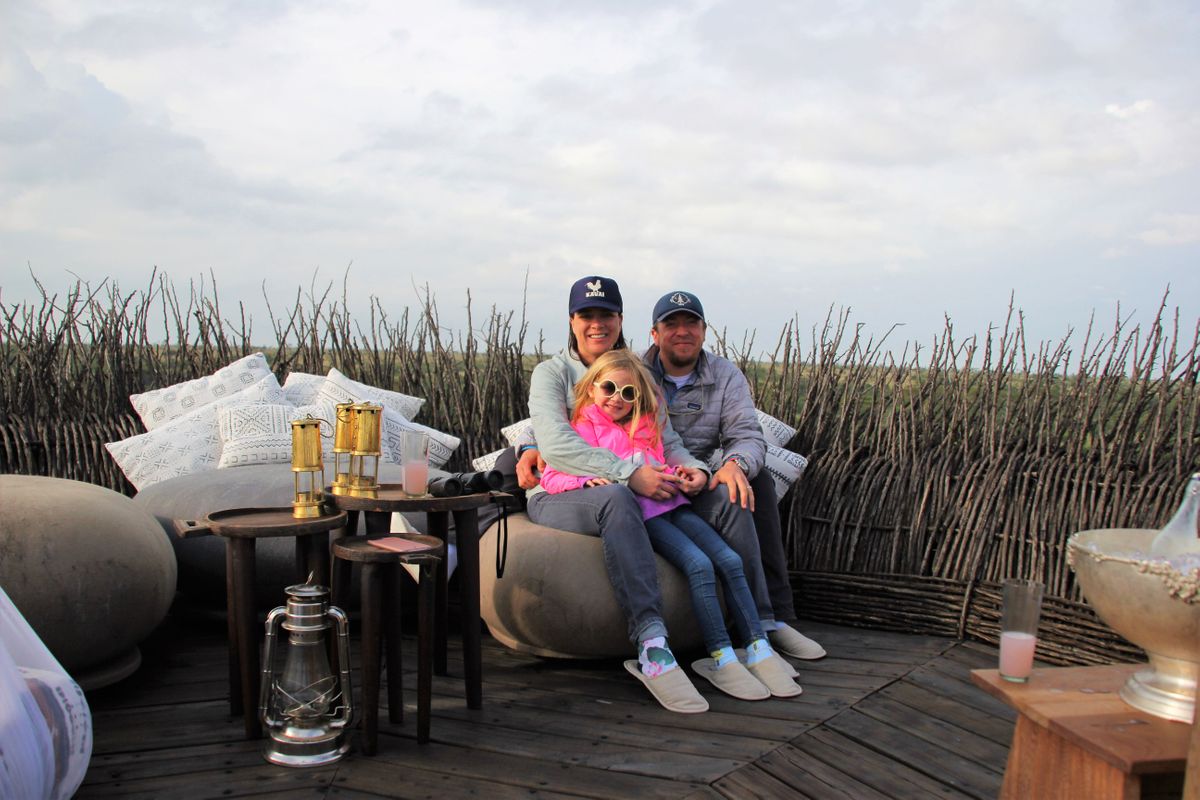
Safari Bag Check: Teresa
Posted 2018-05-11
So you've booked your safari, pored over your itinerary and daydreamed about meeting elephants. Now it's time to start deciding on your packing strategy and narrowing down what you want to bring. We suggest following our packing list and few key guidelines for stress free packing.
Documentation
Passport & visas (if separate from passport)
Health certificates if needed
Airline tickets
Spending money & money belt
Proof of insurance
Photocopy of passport & traveler’s checks
International driver’s license – if renting a car
Clothing
2 pairs of shorts or capris
2 pairs of lightweight pants or skirts/dresses for women
3 lightweight shirts
2 long-sleeved, lightweight shirts
1 lightweight sweater/fleece
1 warm/wind-proof jacket
Undergarments & socks – sports bra for women
1 pair all-weather sandals
1 pair lightweight walking shoes
1 pair evening shoes for lodges & cities
1 pair sunglasses (polarized is best)
1 sun hat
Swimsuit
Warm hat & gloves (seasonally)
Toiletries
General toiletries
Prescription drugs w/ original labels
Glasses & contact lenses w/ solution
Sunscreen & sun protective lip balm
Insect repellant (containing DEET – 20% is optimal)
General
Luggage ID tags
Luggage locks (TSA approved)
Travel alarm clock
Travel umbrella (seasonally)
Camera/video equipment (charger & extra memory cards)
Binoculars
Plug adapters (we recommend a universal adapter)
Journal & pens
Book (see Reading List for suggestions)
Flashlight/headlamp & batteries
Water bottle
First Aid Kit
Malaria tablets
Prescription drugs w/ original labels
Motion sickness pills
Allergy pills (seasonal & food-related if needed)
The basics: bandages, antibiotic ointment, Imodium AD, antihistamines, antacids, pain relievers, waterproof tape, antiseptic, tweezers, small scissors, etc.
Deciding what you're going to bring is a fun way to amp up the excitment and anticipation leading up to your trip, especially with your kids, so let's get packing!
Casey and the Fam do Nairobi!
Posted 2018-05-04
Nairobi isn’t often on travelers’ radars for African destinations, but this lively city has a lot to offer as a bookend to your safari. Whether you’re coming off a long haul flight and need a place to recharge or just coming off a safari and need one last dose of Kenyan magic before heading home, Nairobi has an accommodation and activity option for everyone.
Having visited the city countless times, the Mango team has refined its list of favorite guesthouses and boutique hotels to a fabulous collection that range from romantic retreats to family friendly escapes. Top of our list is the Giraffe Manor, a world famous hotel where habituated giraffes live right in the gardens. Every morning they will stop by the windows of your bedroom and the dining room for a morning treat. You wake up to a giraffe tapping on your second story bedroom window, looking for their morning snack, and enjoy your gourmet breakfast with a giraffe looking over your shoulder. It’s a must-stay destination for Nairobi, kids and adults alike will be absolutely thrilled by it. We certainly were!
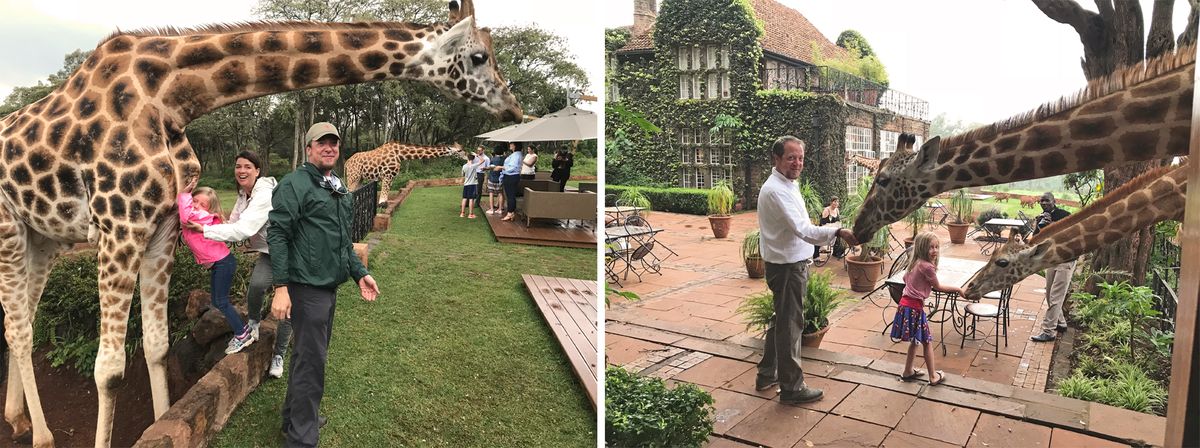
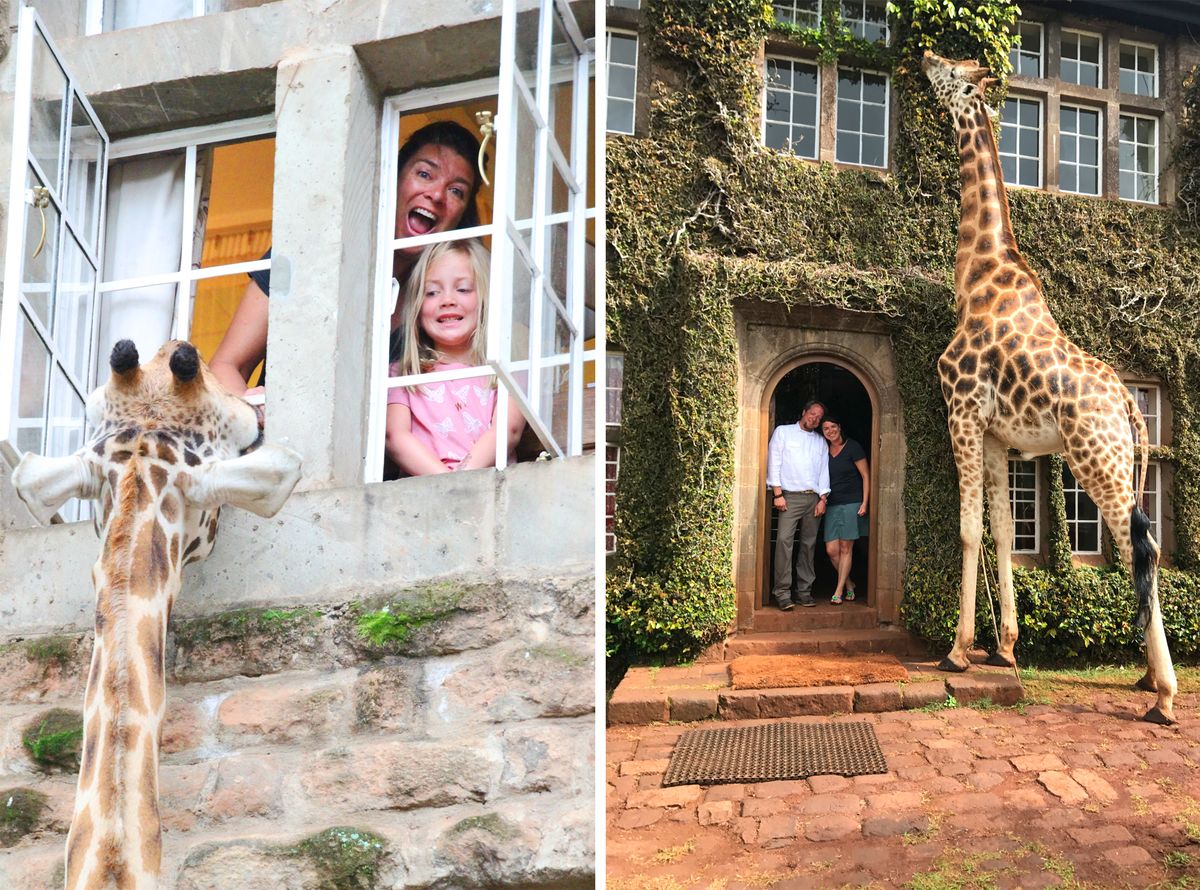
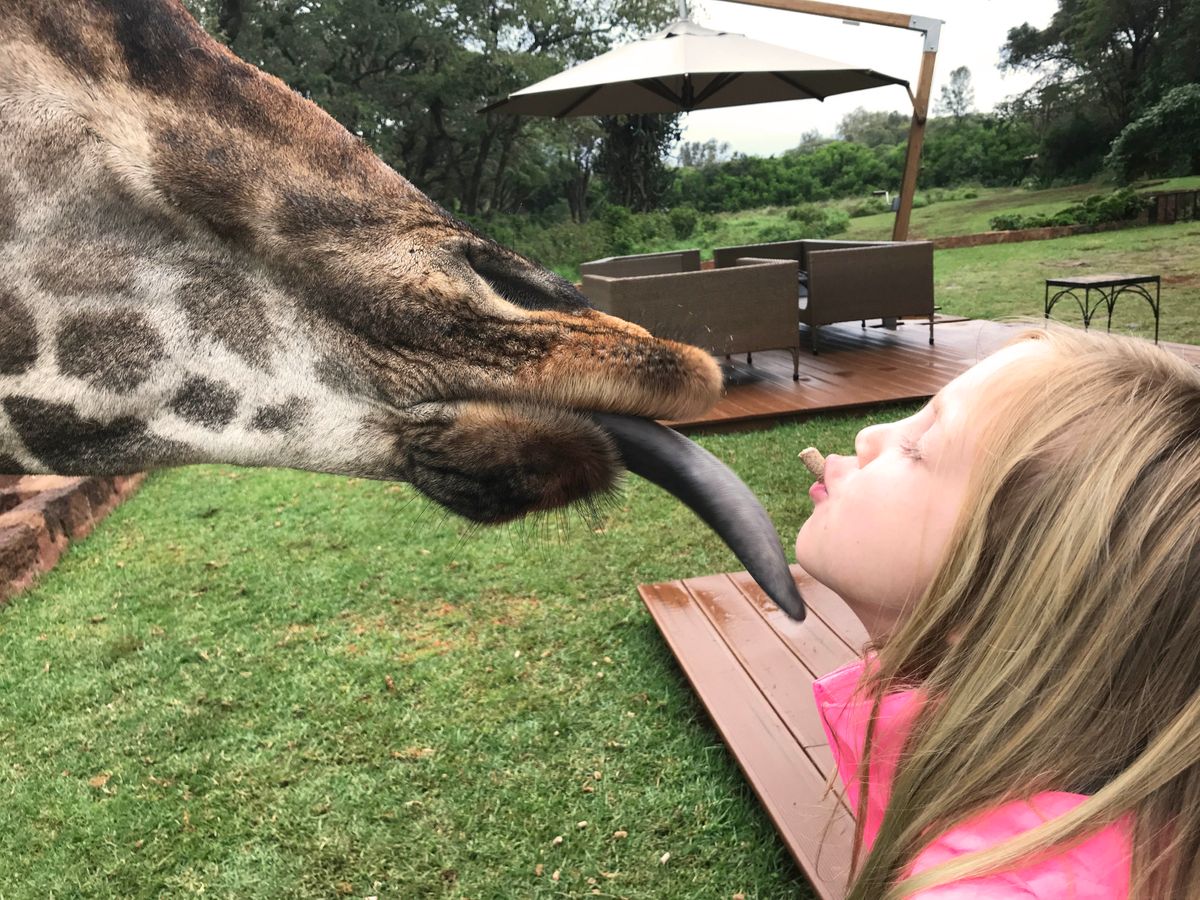
If you have a little longer in the city, we love a mix of culture and nature. Take a game drive through Nairobi National Park, where you can see all the wildlife set against the skyline of the city – the best of Africa’s past and present in one scene.
Stop by the Daphne Sheldrick Elephant Orphanage or Rothschild Giraffe Center to see the unbelievably adorable baby elephants, rhinos and giraffes that are being hand-raised by dedicated experts. Kids will especially love both of these experiences. At the Rothschild Giraffe Center, you can handfeed the animals, which is a great opportunity if you didn’t stay at Giraffe Manor.
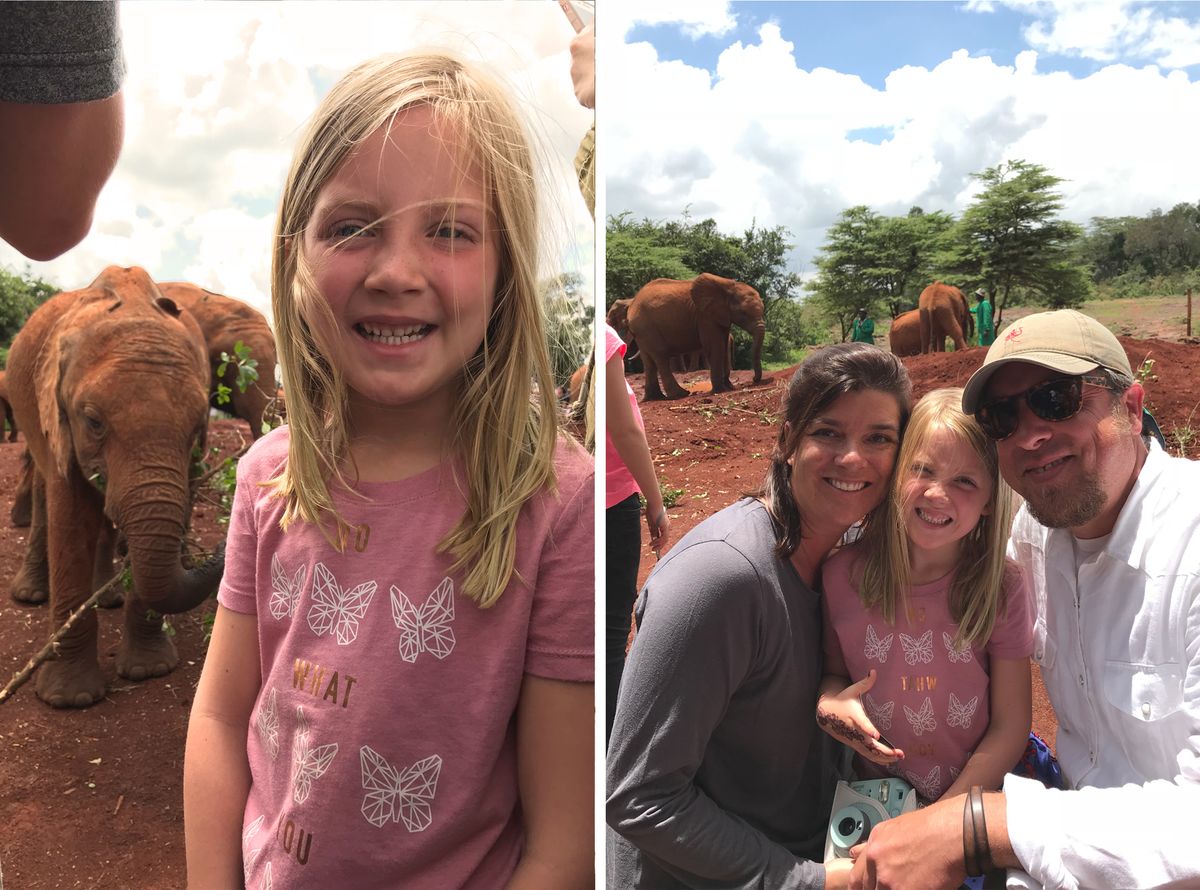
Next time you’re in Nairobi, think beyond a quick overnight and a shuttle to the airport. This vibrant city offers so much! Our team at Mango can help you plan out the perfect stopover, no matter what your travel style is.
Casey's East African Family Trip 2018
Posted 2018-04-10
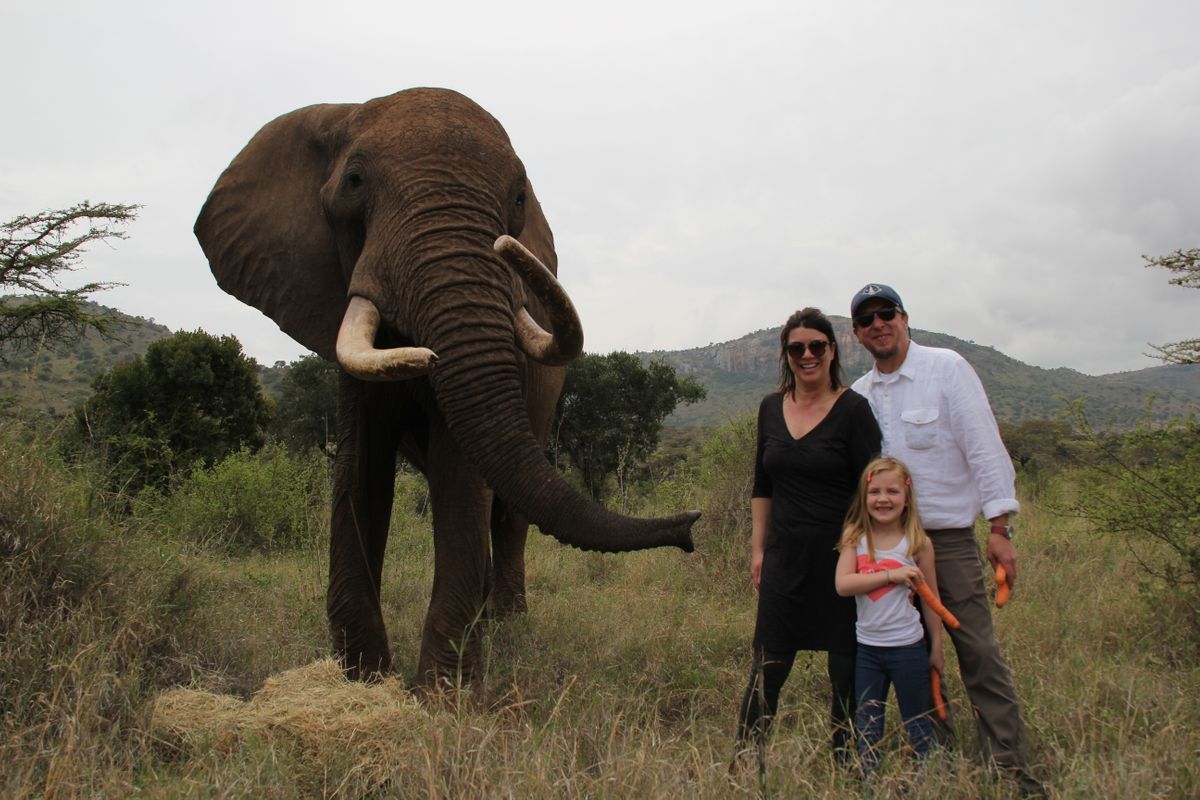
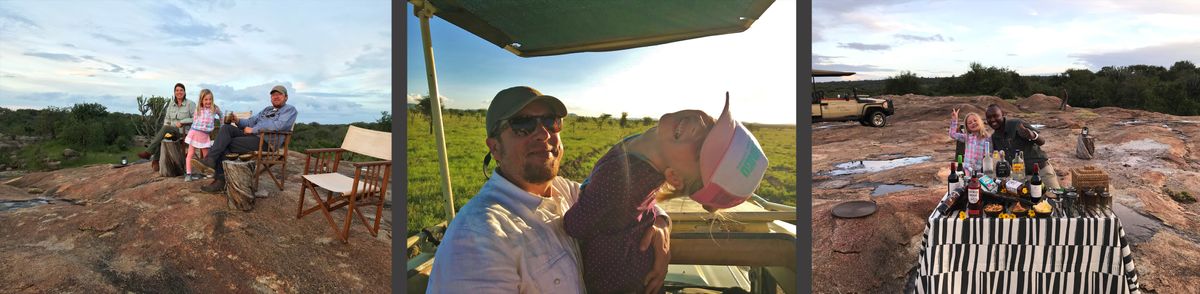
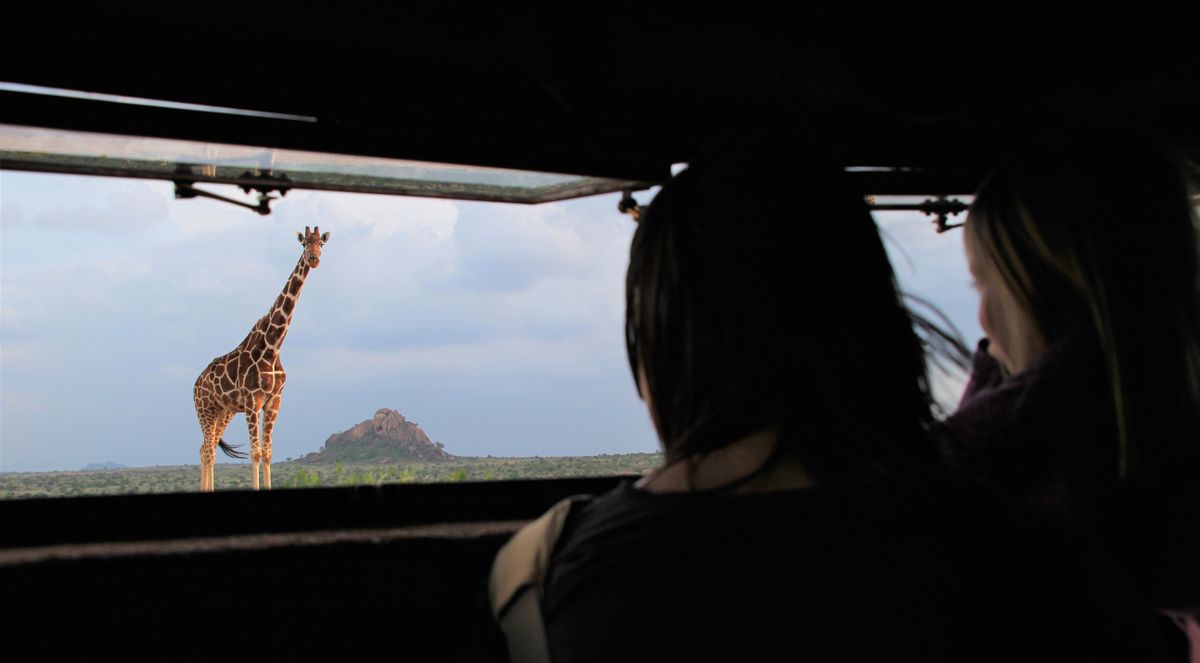
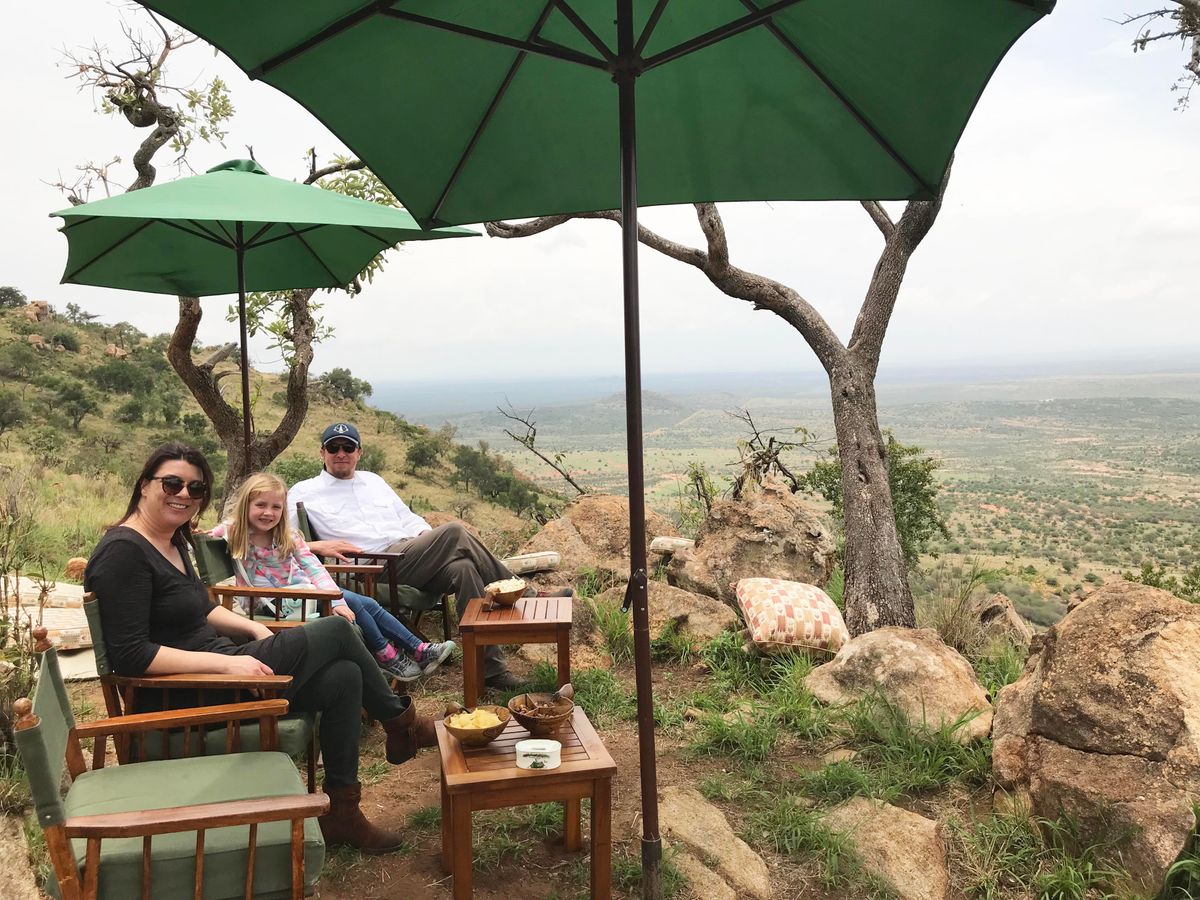
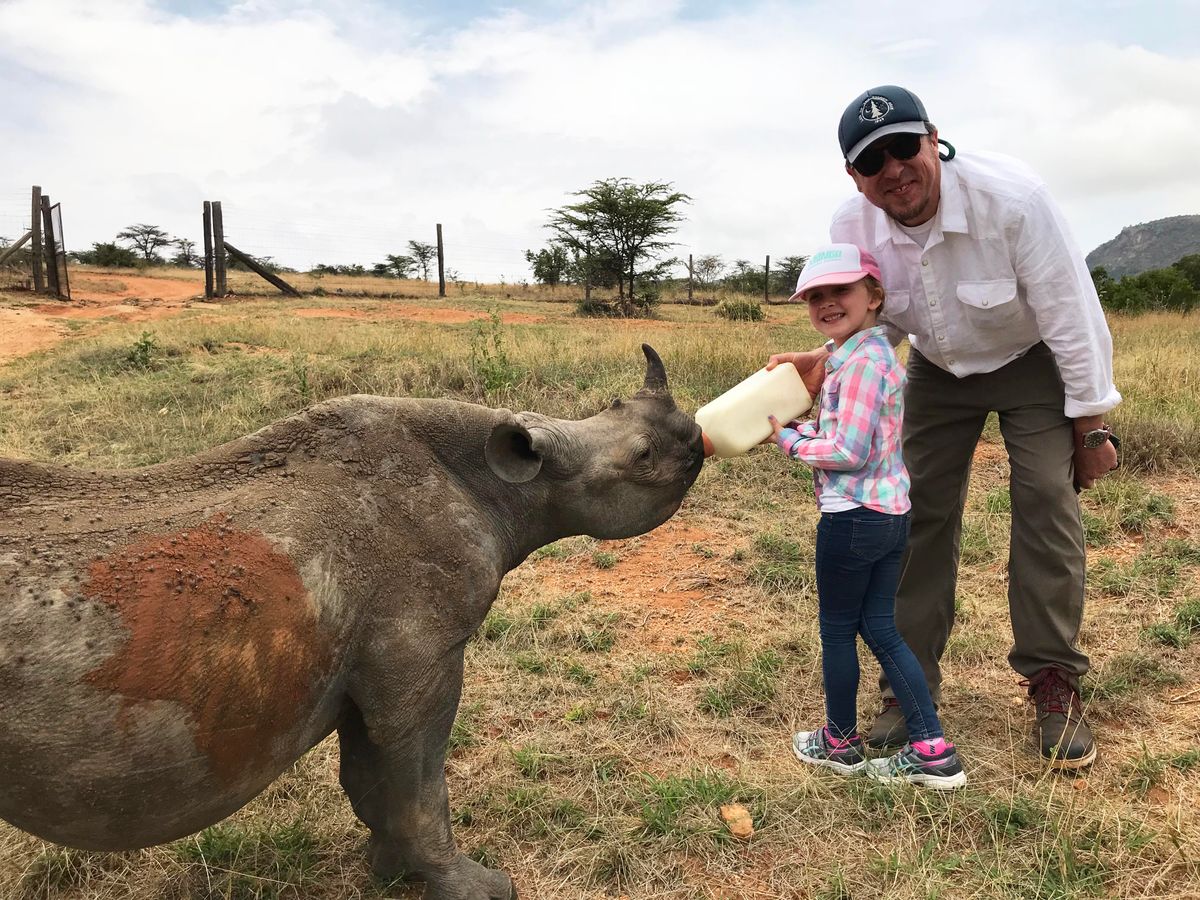
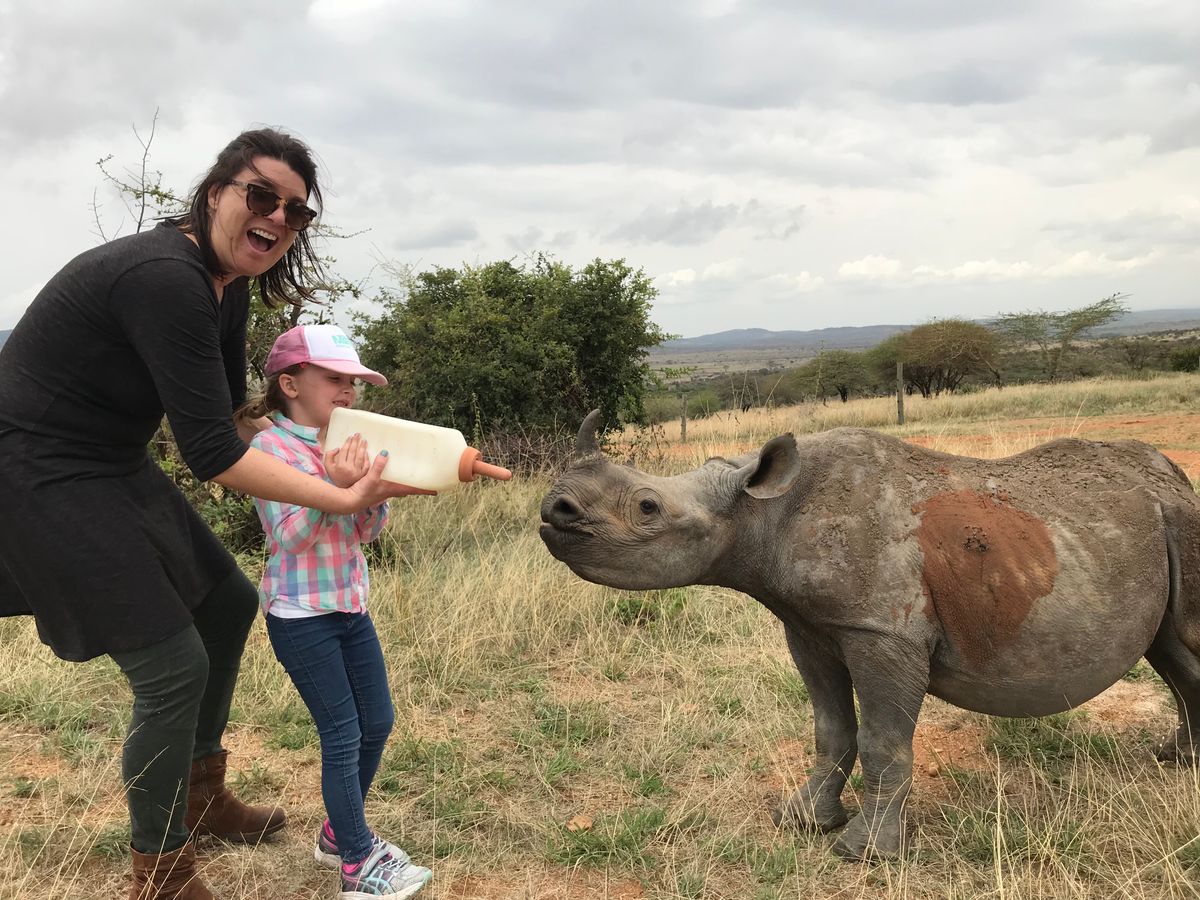
I'm just back from an educational, adventurous, FUN family scouting trip in East Africa. With my husband and five year old daughter in tow, we started with a visit of two unique conservancies in the Lakipia Plateau of Kenya. While the wildlife was fantastic with everything you'd hope to see, the properties also gave us a unique dose of conservation experiences and unexpected African art history. In an exclusive environment we were able to hand feed a baby rhino, hike around stunning rock formations, play with habituated, rescued elephants and explore some of Africa's most important art history.
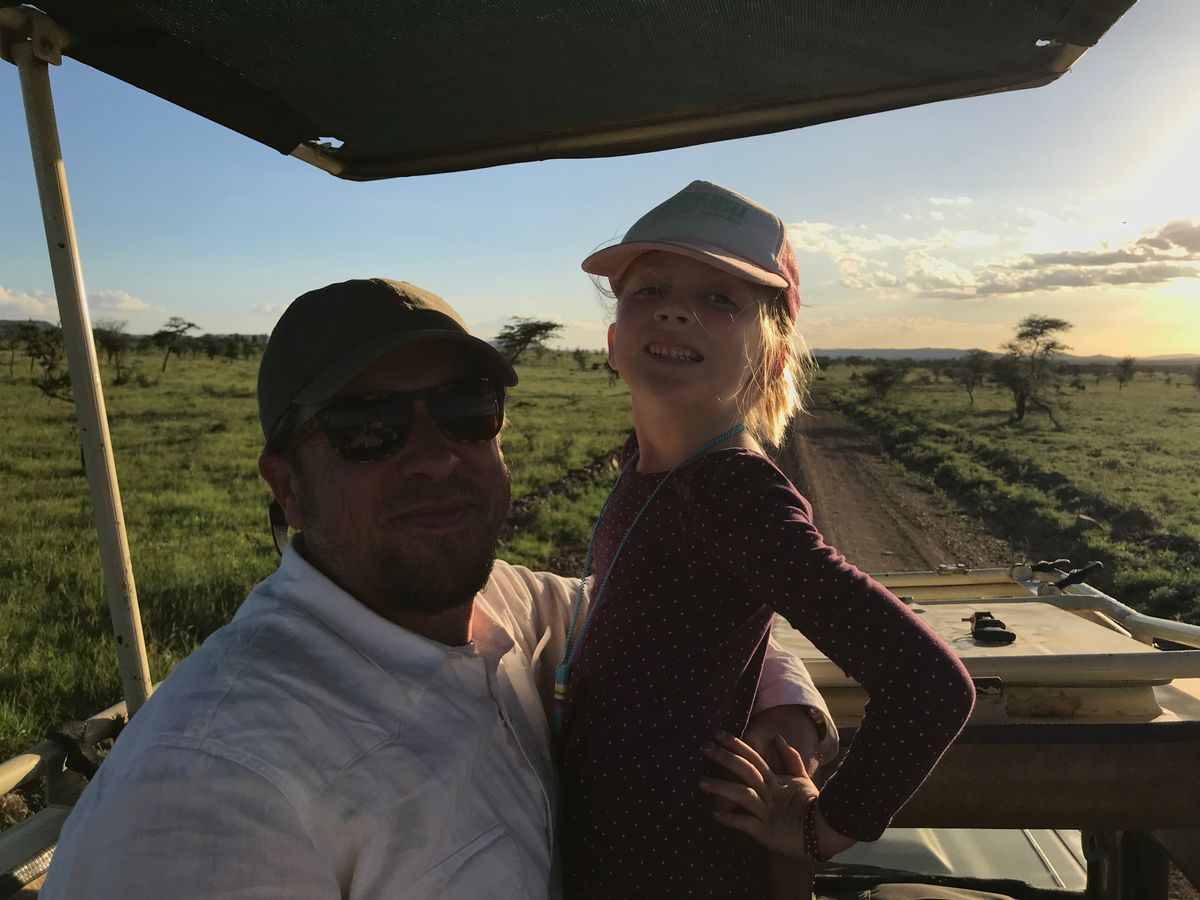
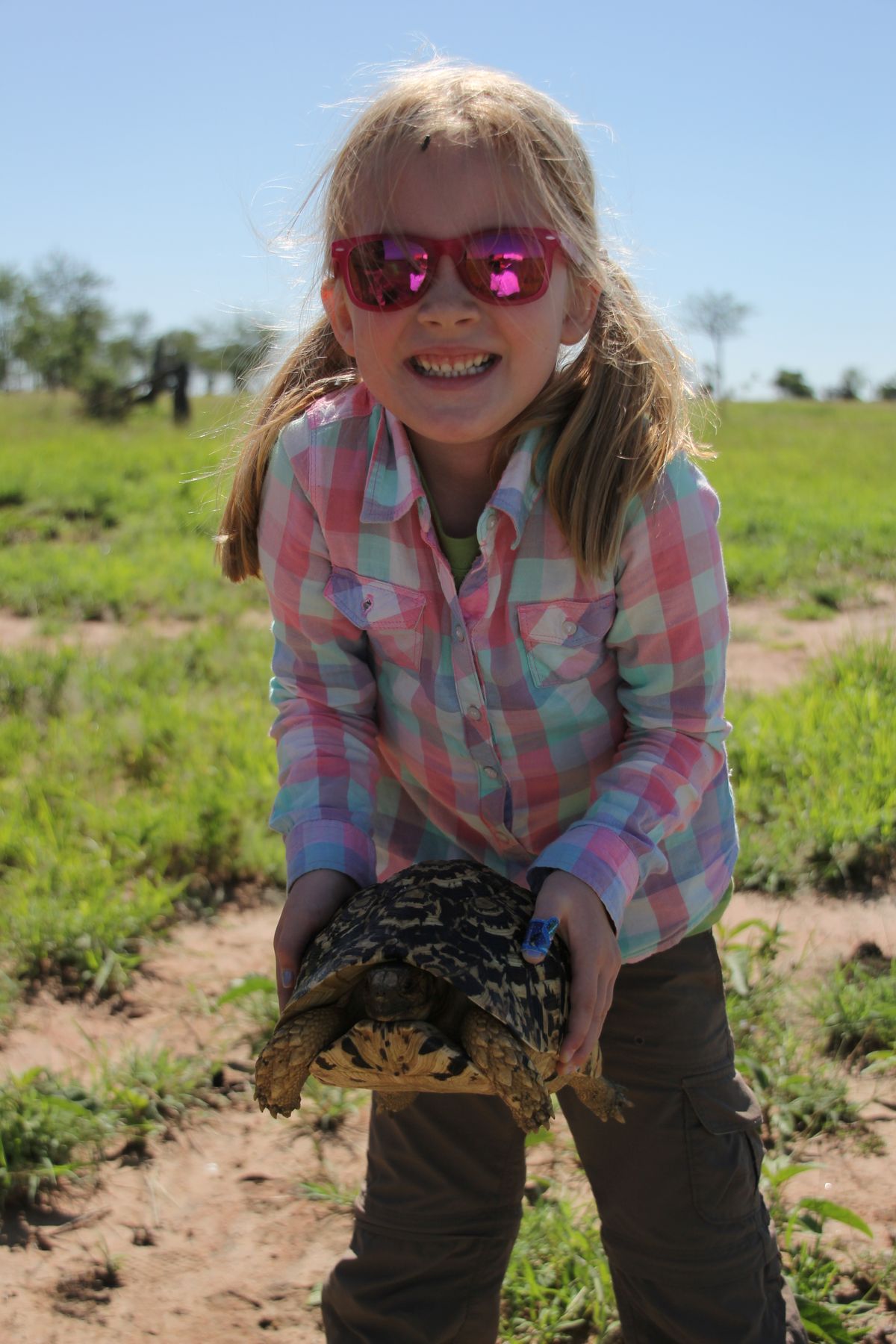
In Tanzania we continued on safari in three distinct northern regions. We explored a few new private conservancies as well as the central Serengeti with our favorite Mango guides. As this was my daughter Stella's first safari in East Africa, we were not disappointed. The wildlife was beyond our expectations.
We watched a buffalo have a baby, a family of ten lion cubs climb out of a tree, cheetahs fighting for territory, and we witnessed the massive herds of the Great Migration.
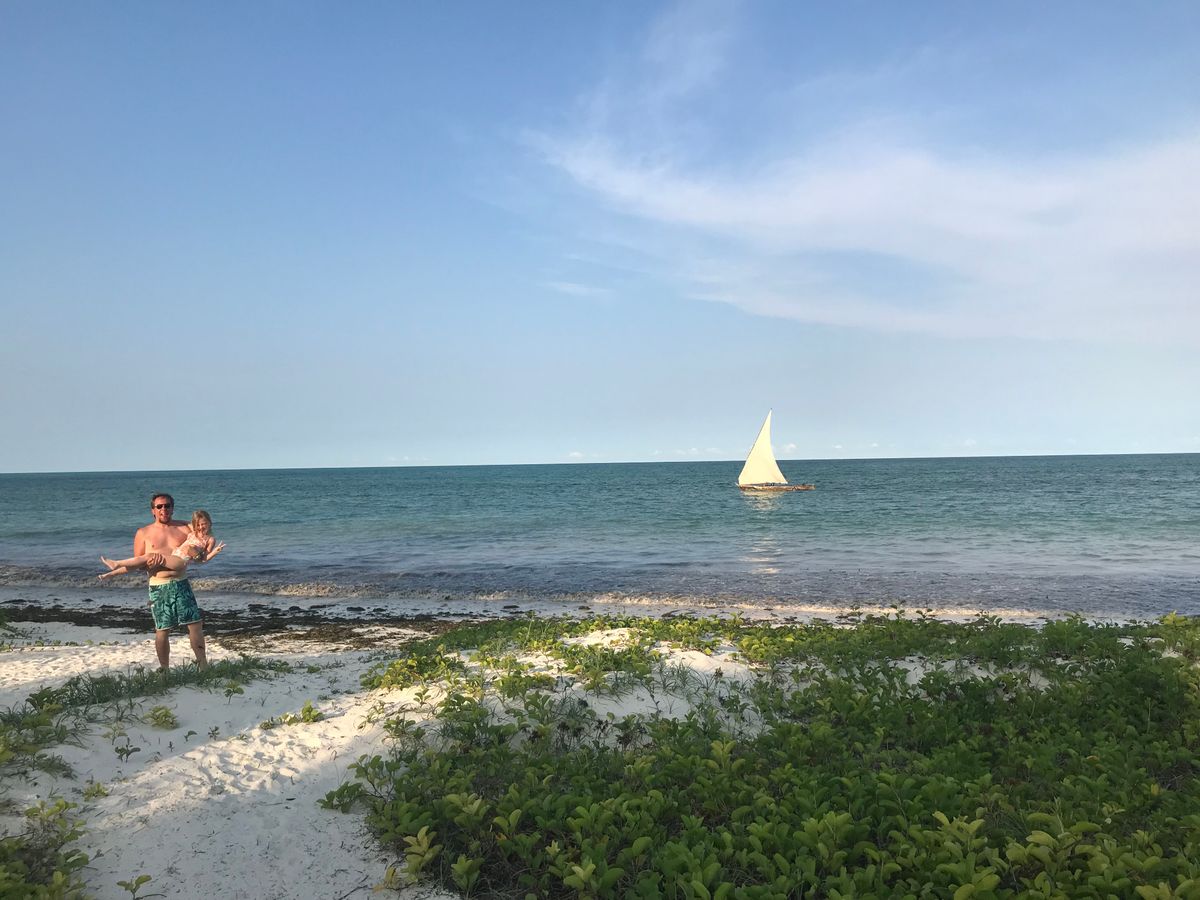
Our trip finished on the Indian Ocean in Zanzibar where we spent time at a new luxury villa property Mango was eager to see. It was Spring break and the property was full of families and a newly created kids club complete with henna tattoos, face painting, sand castle building and Easter basket creations on the beach. Because many guests were departing on Sunday the resort decided to hold their Easter egg hunt a day early.
The kids staying here from all around the world had a blast searching for eggs among the flowering bushes and beach palapas.
We started and finished the trip in Nairobi where we stayed at a couple of properties, visited with our trusted partners in country and took a game drive in Nairobi National Park - where we saw Rhinos with city skyscrapers in the background. We visited the baby elephants at the Daphne Sheldrick animal orphanage and revisited some of our favorite restaurants. The highlight of the trip was celebrating my husband's Birthday at the iconic Giraffe Manor with a giraffe cake, chanting staff and Stella feeding giraffes out of our bedroom window.
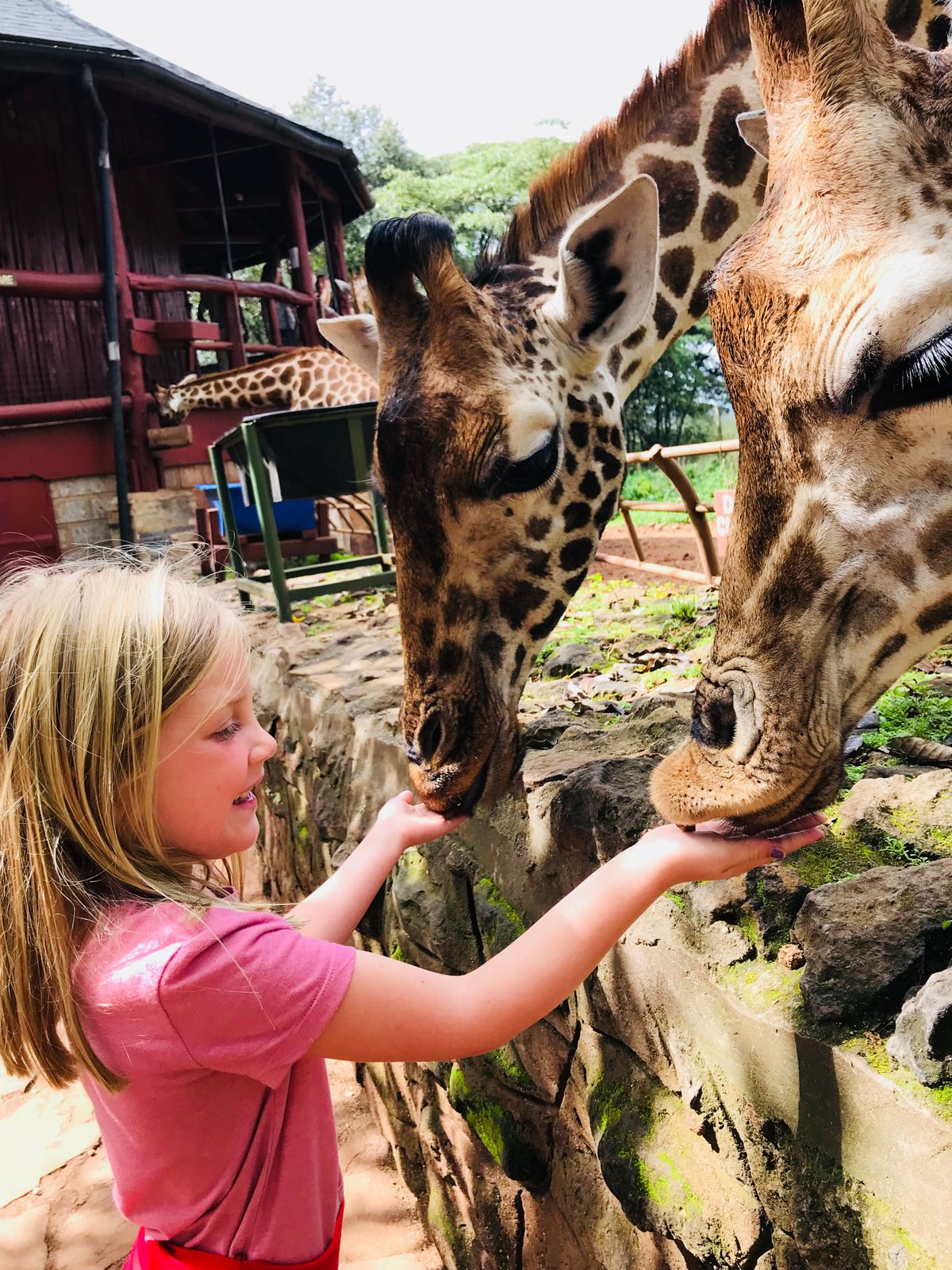
The focus of this trip for me was to experience the best of family oriented properties in East Africa.
This was Stella's third trip to Africa, the first two trips focusing on South Africa and Zimbabwe, and it was so exciting to introduce her to the sweet people of East Africa and the stunning geography of the Great Rift Valley.
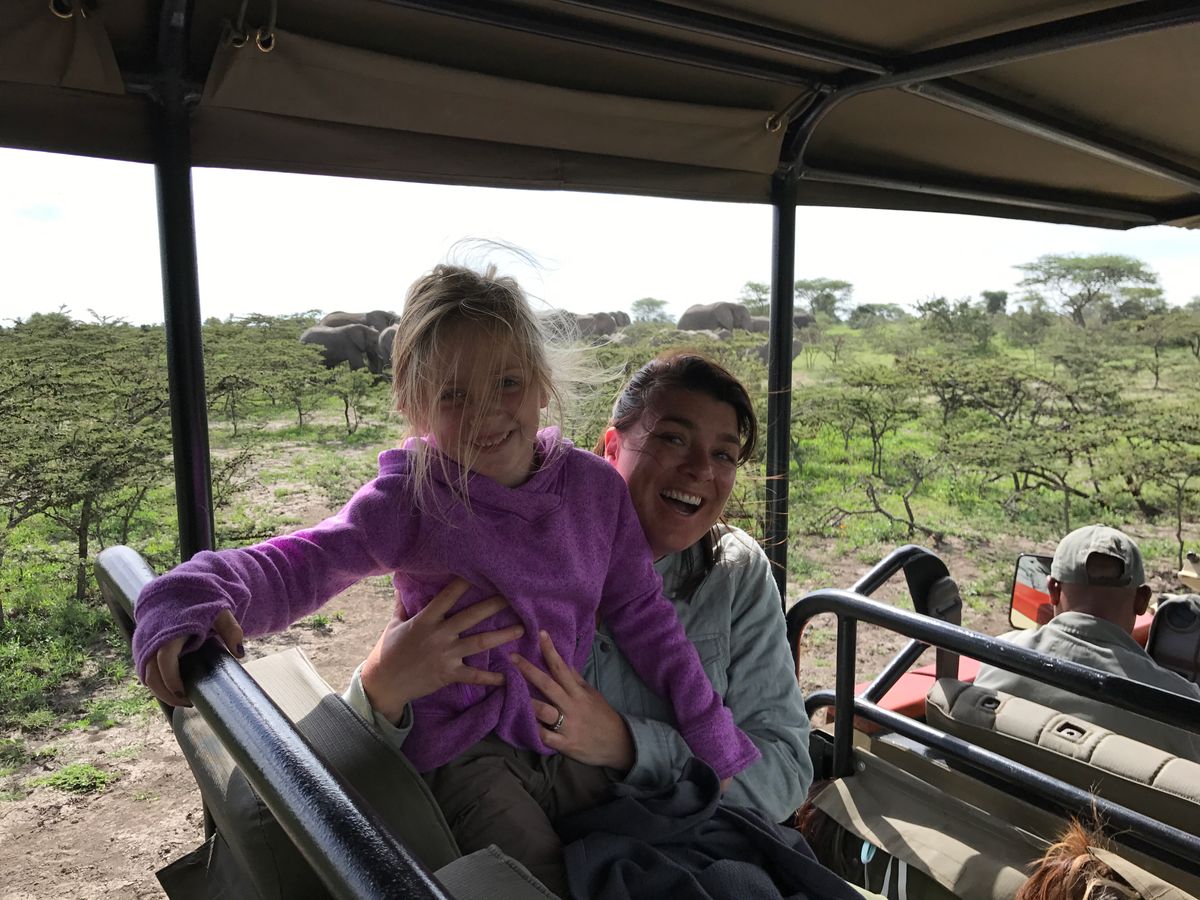
Being a successful travel designer is only possible if you personally experience all the places, flights and travels flow of your destination. Being a parent, this first hand experience is absolutely crucial in understanding how your family feels in a different time zone, in a place with different food, where each day is full of new experiences. I loved testing out the family accommodations, kids activities, other areas of the lodge, and how the guides and camp staff specifically related to parents and children traveling together.
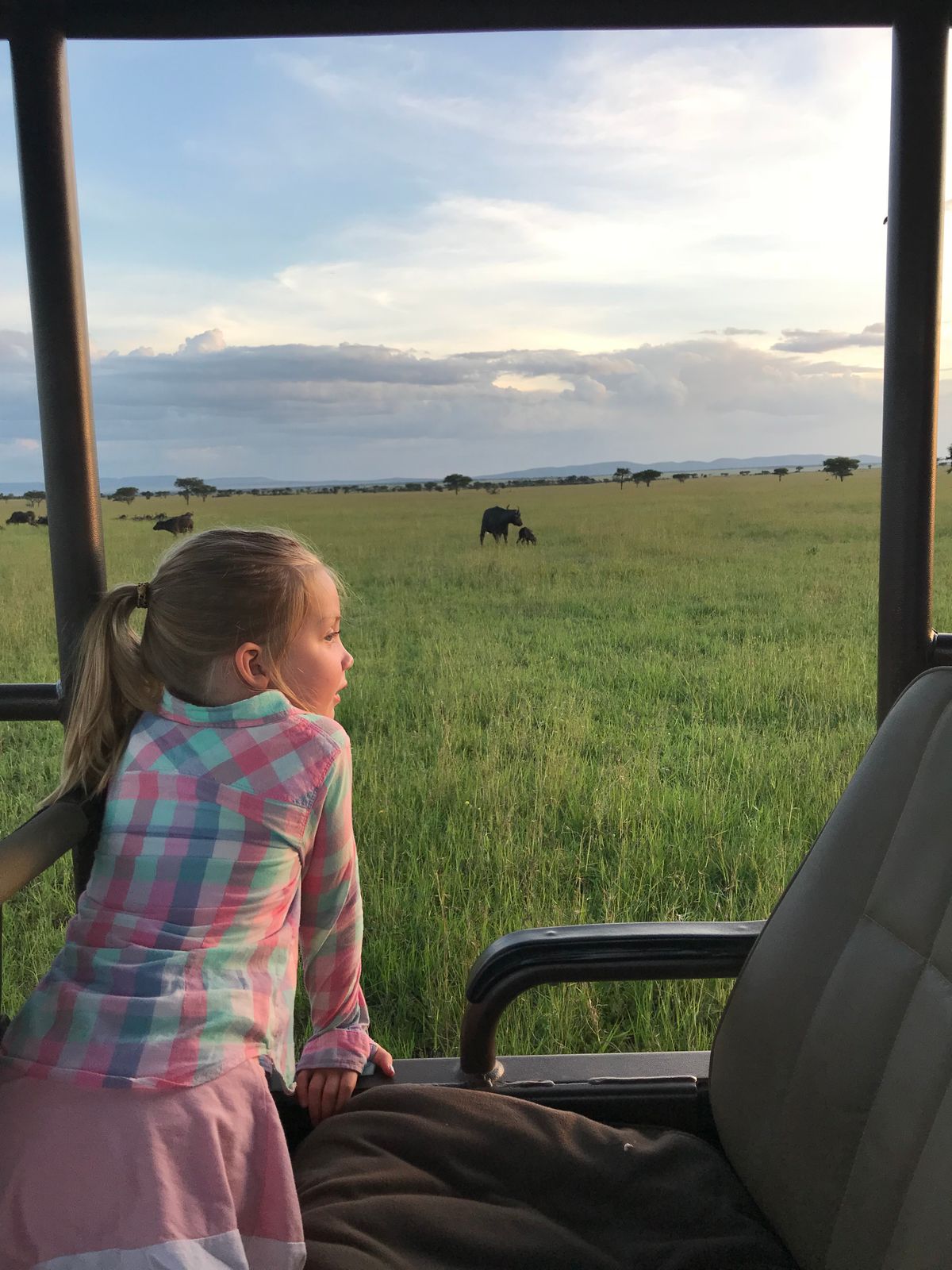
There are so many ways to do Africa, on this trip I focused on luxurious and permanent camps, places where young daughter could safely run around, where we had a bit more of the creature comfort and also places with camp staff or owners living there with their own kids, or where other families were likely to be traveling. We engaged in community projects, visited local villages and anti-poaching units, planted Mango trees and helped the gardeners garden pick the vegetables and quail eggs for dinner that night.
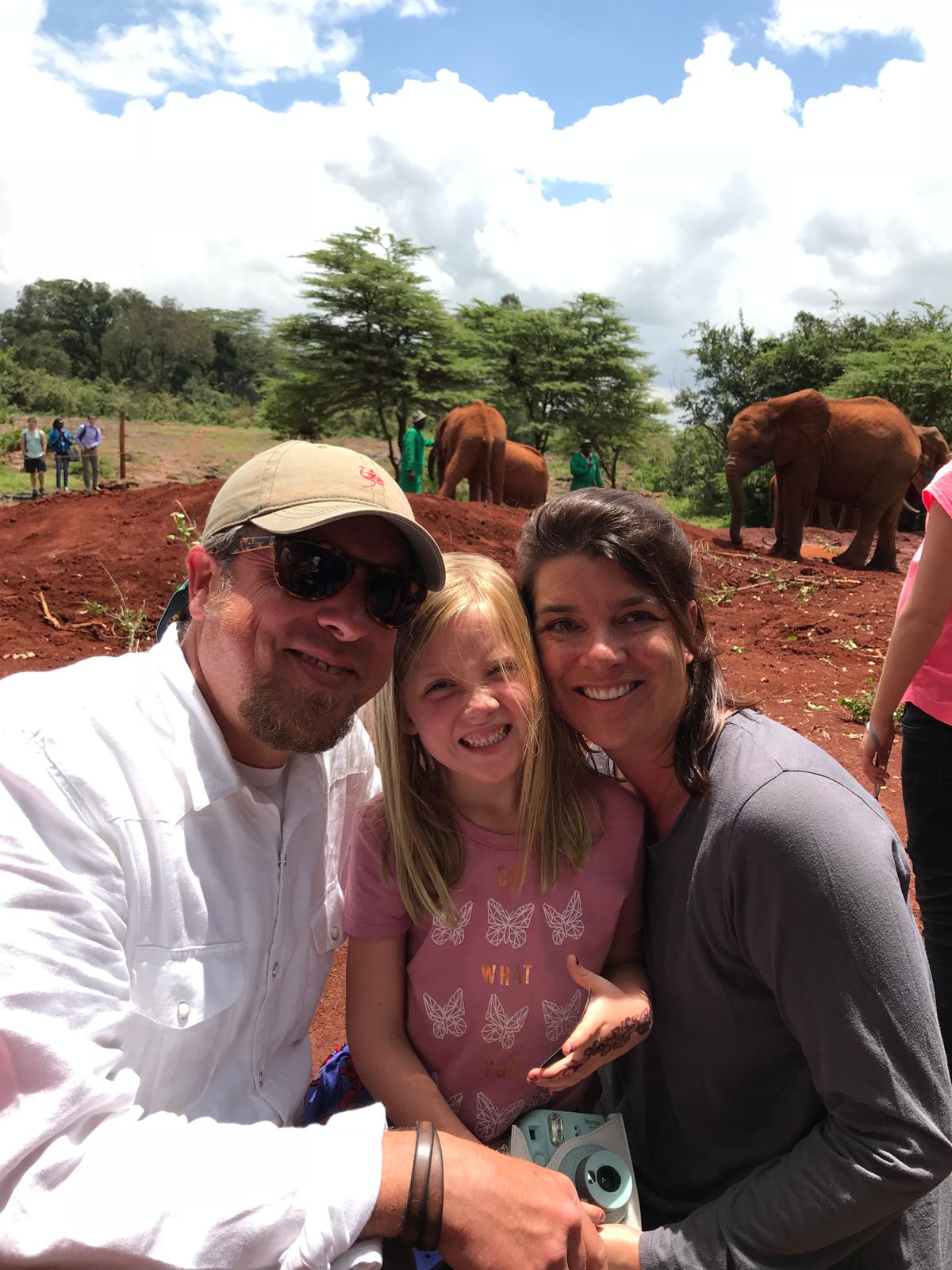
We were able to make this a trip for Stella, and even started a new school project between her elementary school and a local school at one of the conservancies we stayed at. She sat in for a lesson with a classroom of kids her same age and took everything in, noting how different this school was from her own.
While I came home from this trip rejuvenated with love for East Africa, Stella came home a completely evolved child.
In two weeks she had so many new experiences, form learning words and songs of a new language to learning about new cultures, watching animal behaviors, feeding giraffes and learning to drive in the Serengeti. It is so much fun to see how these incredible experiences have shaped her very being!
And even in her groggy moments on the final flights home she was singing Jambo. She made friends from all over the world and lightened the spirits of the staff everywhere we stayed.
It was a trip I will never forget.
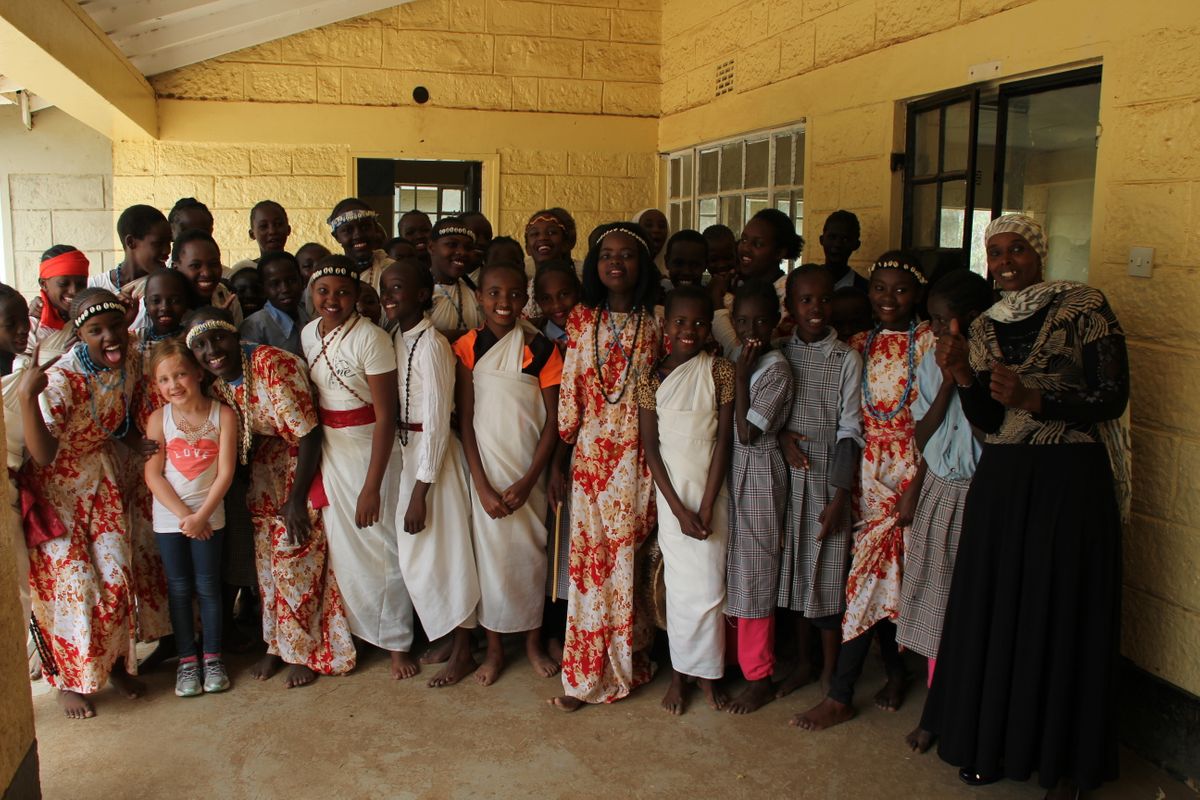
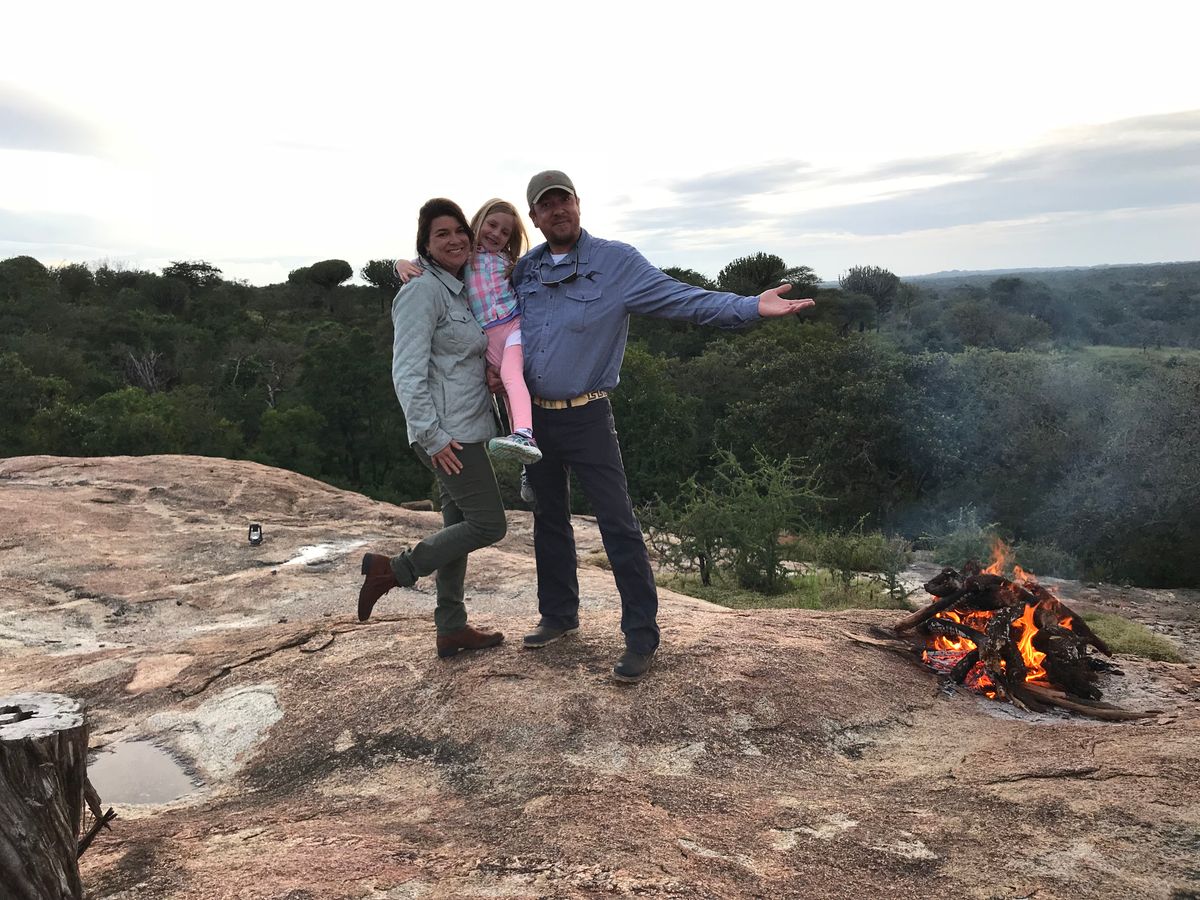
I'm so excited to continue planning family journeys in Africa. Please call me when I can help you with yours! -Casey
Award Winning Family Safari Planning
Posted 2017-11-27

Mango Safaris co-founder Teresa Sullivan was honored as the top family safari specialist by Conde Nast Traveler. Years of traveling in Africa with her family has given her a wealth of knowledge and expert tips based on real life, firsthand experience. When it comes to planning family safaris, no one is better than Teresa! Read on for how she handcrafts each once in a lifetime family journey:
FAMILY UNITS & PRIVATE HOUSES
Create your itinerary around family units. There are excellent 2 bedroom family tents and houses at a wide range of properties so families can stay together. It’s okay to have one stop where mom and dad split up, but it makes your trip so much better if you utilize these special accommodations. I recommend planning early to ensure these limited accommodations have availability – 12 to 18 months ideally.
I would estimate that the oldest child in the room needs to be a minimum of 16 before you can leave kids alone in an ‘open to the wilderness’ camp without a parent. My 10 year old Mara and I were in our room at Sarara Camp one night. An elephant was in the trees eating outside our bathroom. Together, we had a remarkable time listening and watching. She said that she would have FREAKED OUT if she has been there alone with Fiona, my 7 year old. The reassuring presence of a parent can keep a moment magical, instead of scary.
Even if the kids are ‘old enough’ family units keep you connected to share the experience of the lions roaring and hyenas whooping in the night. It’s also good for the occasional poke in the morning to get them going.
If you are a multigenerational family or larger group of families, I work to include at least one stop where you take over and have exclusive use of the camp. Private houses offer such a great environment for groups, especially with children, as you can focus on quality time together instead of worrying about bothering other guests. The entire camp becomes your home.

SAFARI ACTIVITIES
For families, I always choose camps that offer a diverse set of safari activities. Wildlife safaris can be vehicle intense, which can be trying for energetic kiddos. I weave in areas that allow families to get active together in wild areas, including walking safaris, horseback safaris, boating and fishing. This way children can approach the safari experience from a variety of angles so they stay interested, and get a well-rounded experience.
PACE
Speaking from personal experience, traveling at a slower pace is the way to go for families. Visit a limited number of properties that offer a diverse range of activities and ‘move in’ to the camp a little bit. Play pick-up soccer games with the staff, visit the garden, spend time with local communities – the result is a rich, memorable experience for the whole family. Limiting travel and transit time increases the quality of each day. Private charters can be totally worth the splurge if that is a consideration.
SNACKS
Moms like to be prepared and I recommend always having a few snacks ready to go. Yes, the safari camps feed you 5 times a day but kids can be a little more choosey (or maybe we Americans just give our kids more snacks), so I always have a few on hand, just in case. This will help fend of cranky moods and keep your kids happy and engaged with the experience. I always bring some healthy snacks that travel well, like nuts and dried fruits.
Before leaving, I make a ½ gallon bag of trail mix. I suggest double bagging it (to prevent spills and keep mice from smelling it) and bringing some snack-sized resealable bags to refill as we go. This proves to be awesome on travel days, longer than expected game drives and if they need a boost of energy during a walk.
LOCAL CULTURE
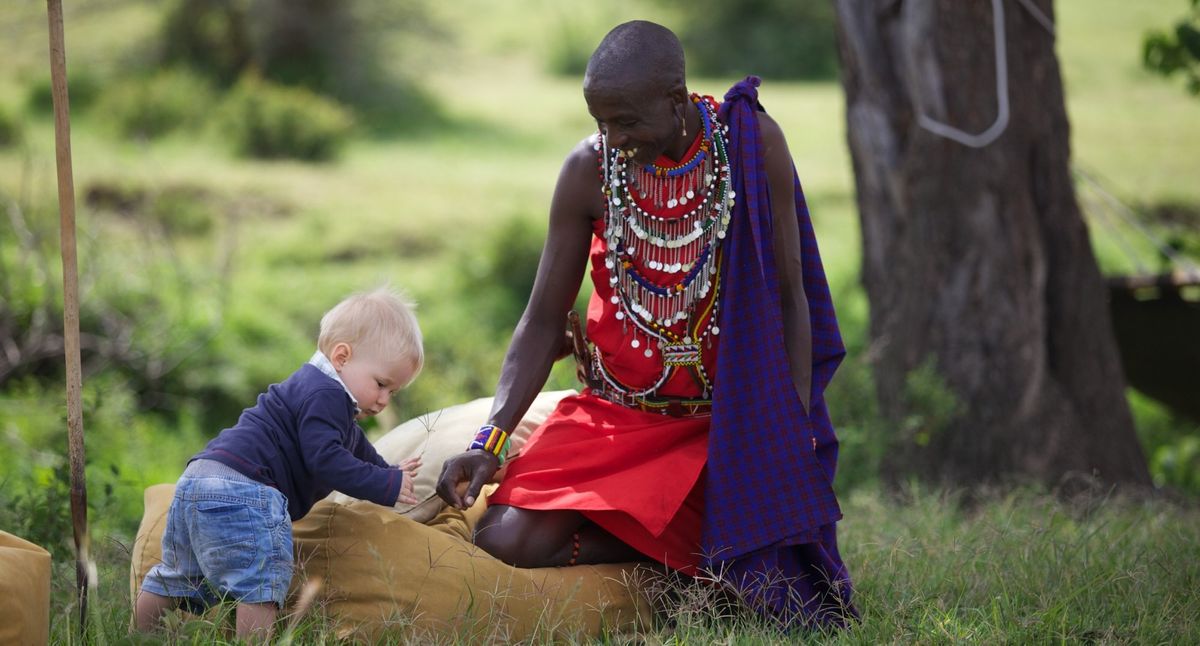
Spending time in a local village, especially a school with similar aged children, helps expand their perspectives and appreciate how fortunate they are in their lives. Make this a thoughtful part of your trip, not a sideshow hour, as you will need to travel to more remote places to visit a more traditional community that is less influenced by our changing world. Sarara Camp in northern Kenya is one of the best places I have visited in years for a touching cultural exchange.
SPECIALIST GUIDES
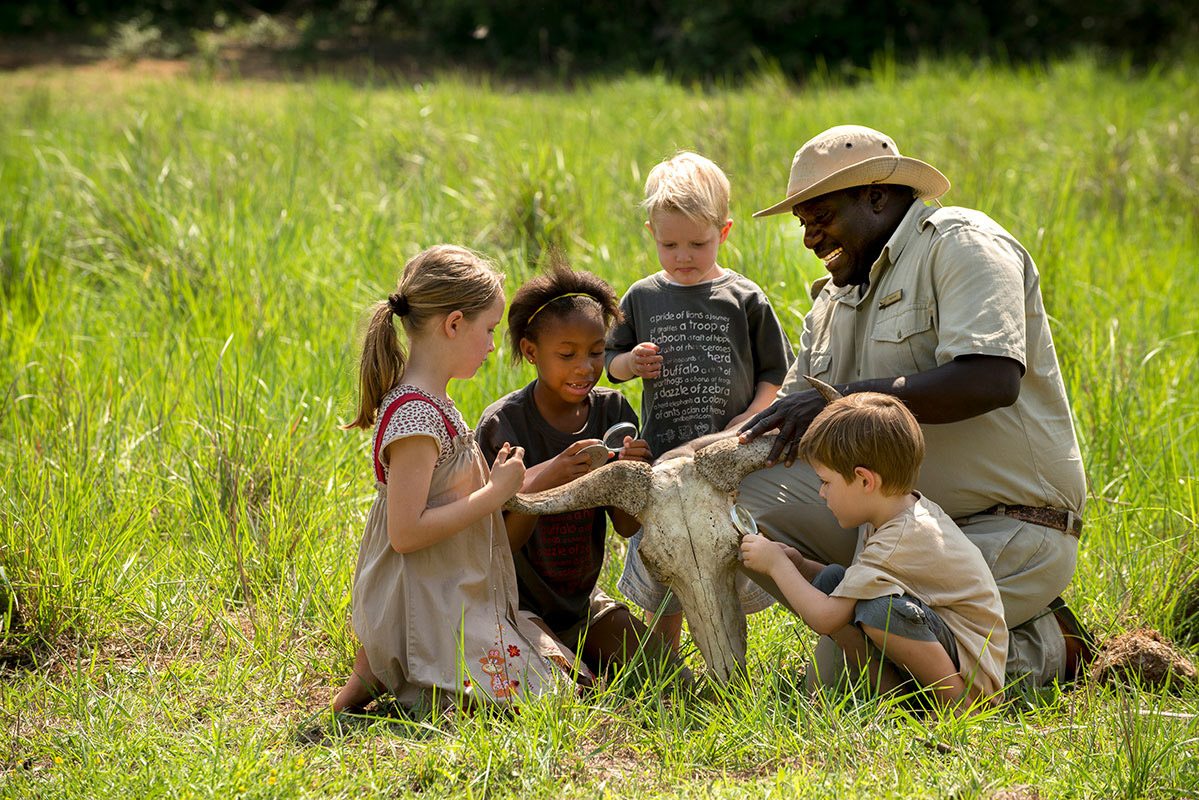
At Mango, we have a handful of specialist guides who either have children themselves or enjoy guiding children and have a natural way with them. Each of these guides has been tested out with my own family, so I know they will be great with your kids too. They understand their attention spans and recommend days that will make sense to children.
THE POOL
At the end of the day, this might be the secret ingredient to an ideal family safari. If your kids are anything like mine, they can spend endless hours splashing around the pool. It’s not necessary or possible at every stop, but I always try to weave it in as much as possible. There’s nothing like hanging out in the pool with your kids as you watch zebras, elephants and giraffes wander by.
CHOOSE YOUR SPECIALIST
Of course the biggest thing we can recommend is to choose the right safari specialist for your family. Teresa’s award winning family planning skills make her the go-to choice for families of all types looking to create their dream safari. She has carefully curated her collection of favorite kid-friendly camps, guides and activities over years of her own family travel.
By letting Mango plan your family safari, you can travel with peace of mind that we have taken care of every detail and put together the perfect trip, exactly tailored to your family’s needs. Take advantage of our years of hands on testing to ensure your trip will go down as the best family vacation ever.
All you need to do is pack your bags, grab your camera and get ready for the trip of a lifetime.
Lava, Gorillas & Rainforests: Thrills in the DRC
Posted 2017-11-09
My inspiration for visiting the Democratic Republic of Congo was the Netflicks movie “Virunga.” After finishing the documentary I filed the destination away into the back of my brain as somewhere I wanted to go when the infrastructure improved. Fast forward a few years and Virunga National park now has five different locations to stay at ranging from the spacious and luxurious Bukima Lodge to the relaxing tented camp on Lake Kivu – Tchegera Island camp.
As I starting planning my trip I mostly focused on seeing the gorillas but I quickly realized as I looked at the variety of activities available that Virunga National Park had quite a bit to do. What started as a three day trip quickly grew to 7 days as I added on days so that in addition to the gorilla trekking I could visit the park headquarters, the gorilla sanctuary, trek to view the habituated chimpanzees, and most importantly climb an active volcano and spend the night on the rim.
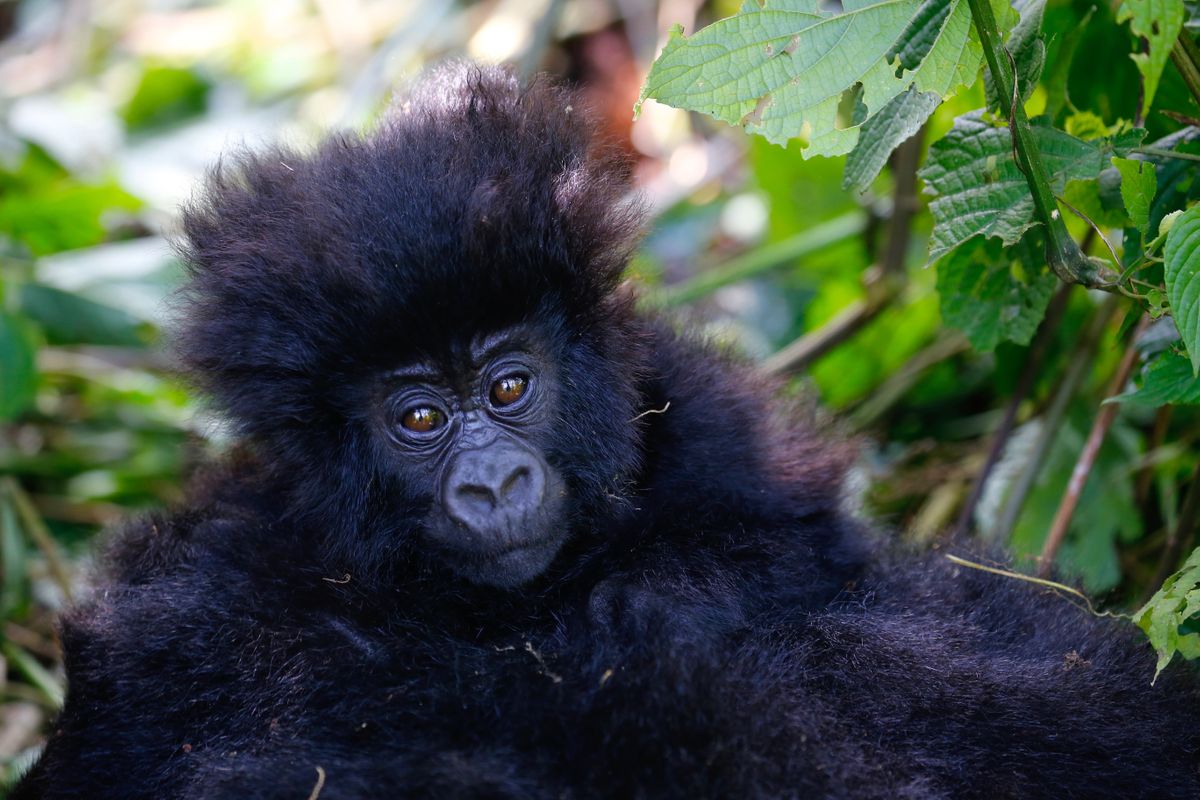
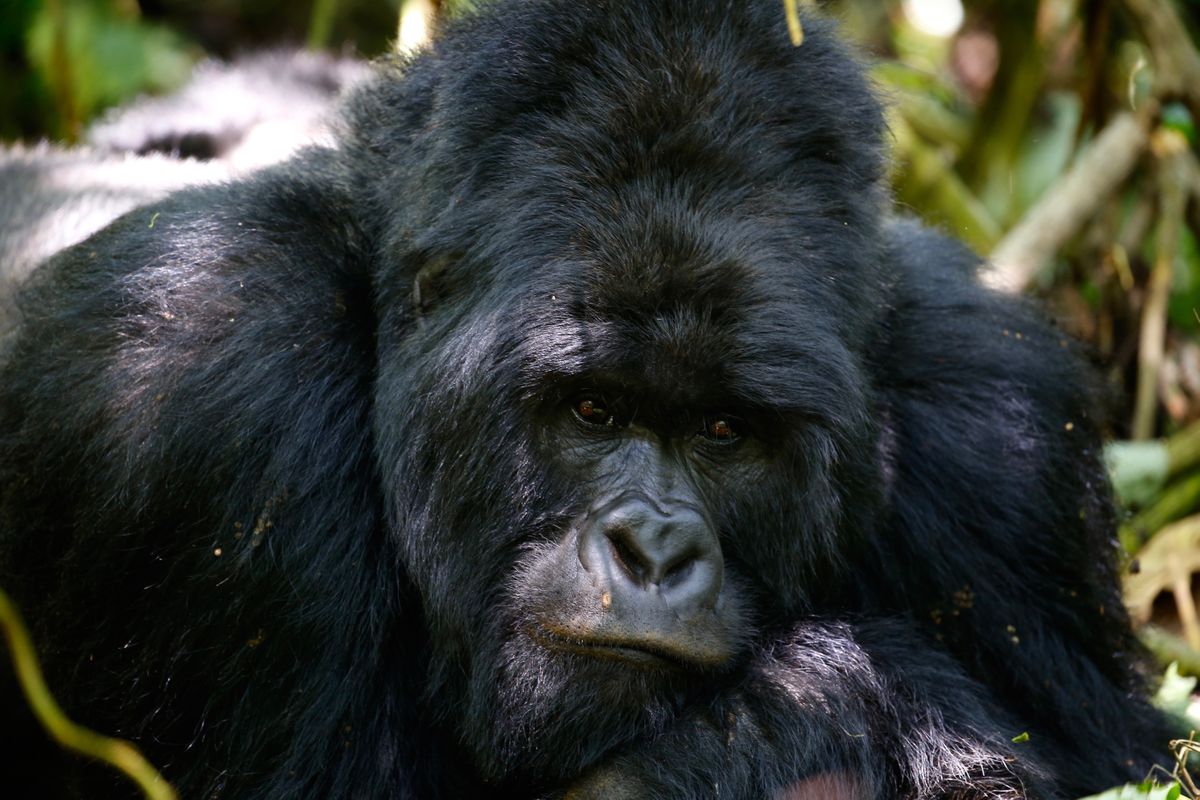
My husband and I spent two fabulous days trekking the gorillas. The park has on average 10 groups they will visit. Each morning the park rangers bring all trekkers in the headquarters while they discuss the groups, behaviors they have seen, the last known location of each group and then assign you to a group to view based on your physical capabilities. On our first day we trekked to the Rugendo group. We found them not far from the park boundary. The group was in a playful mood. We had several juveniles that were playing on low tree branches alternating between swinging back and forth towards us and pushing each other off the limbs. A young baby entertained us for our hour as it struggled walking amongst the forest floor tripping over the roots every few feet. On our second day we trekked to the Himba group and our hour was spend watching them nap and eat. At one point one of the silverbacks mocked charged another silverback in the group and the forest floor shook with their movement – it was so exciting to watch. It was a perfect two days and we were grateful for the variety of behaviors we witnessed.
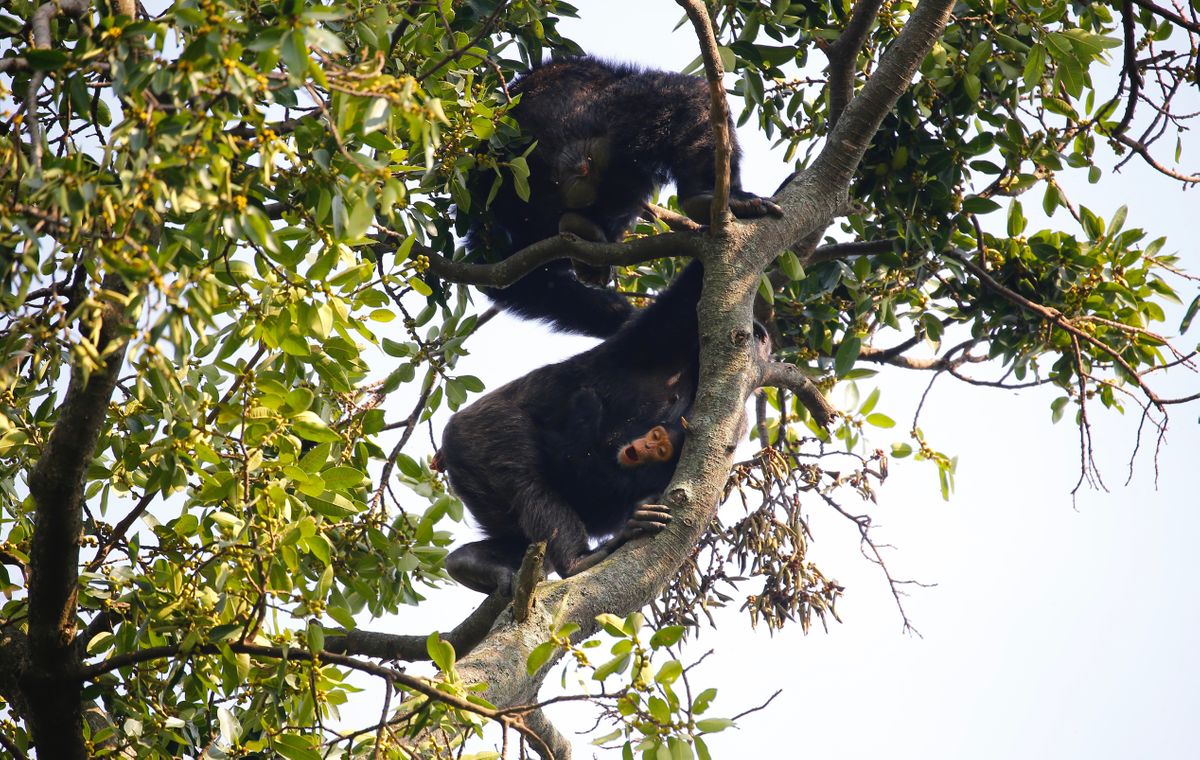
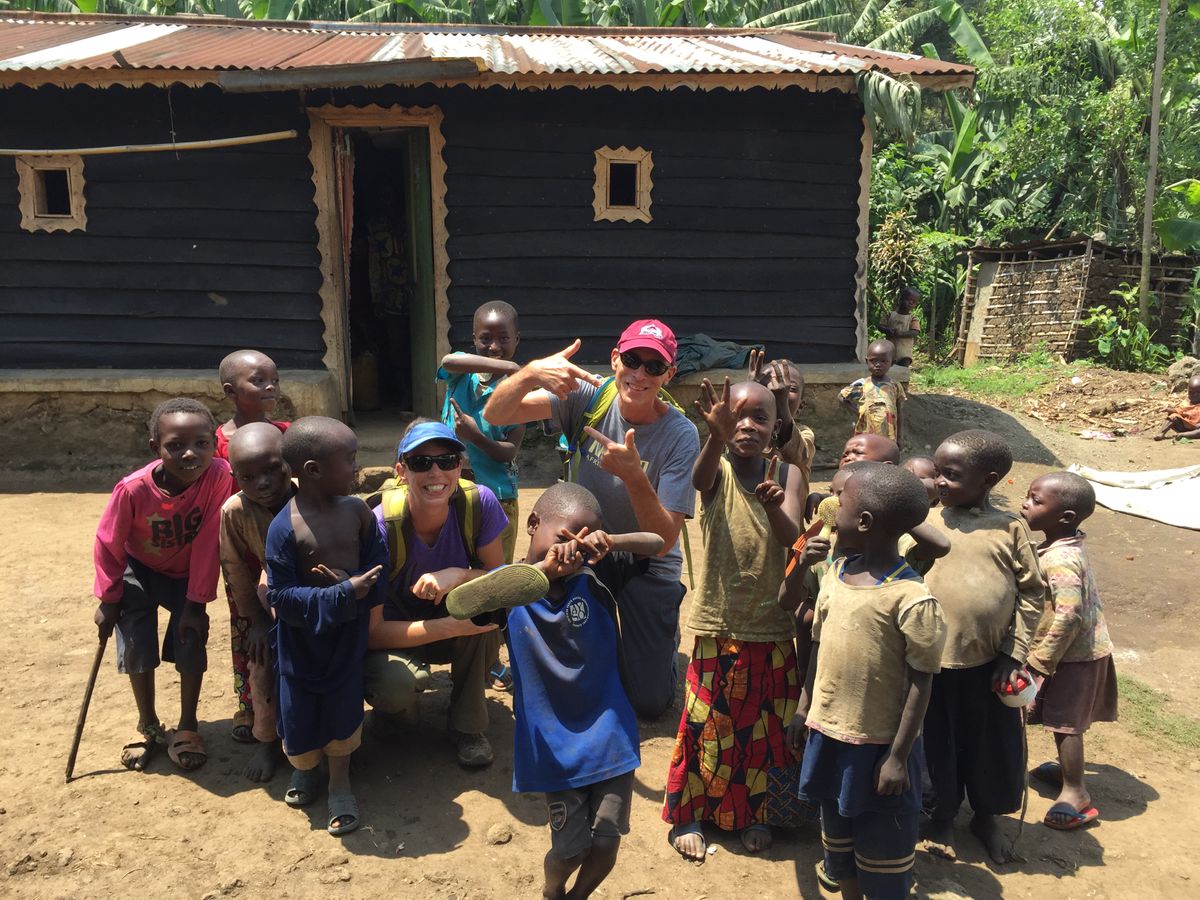
One of the big highlights of our trip turned out to be our “down” day. We were up at 500am to trek the chimpanzees. After several hours of walking in the forest we finally found them hanging out in the trees above the park headquarters (1000 feet from where we started.) We spent the rest of the day exploring the park headquarters, visiting the sanctuary where they care for mountain gorilla orphans, meeting the children of surrounding villages, exploring some caves, visiting a coffee plantation and finishing up with a visit to the newly built Rangers widows sewing workshop to provide employment for the spouses of fallen rangers.
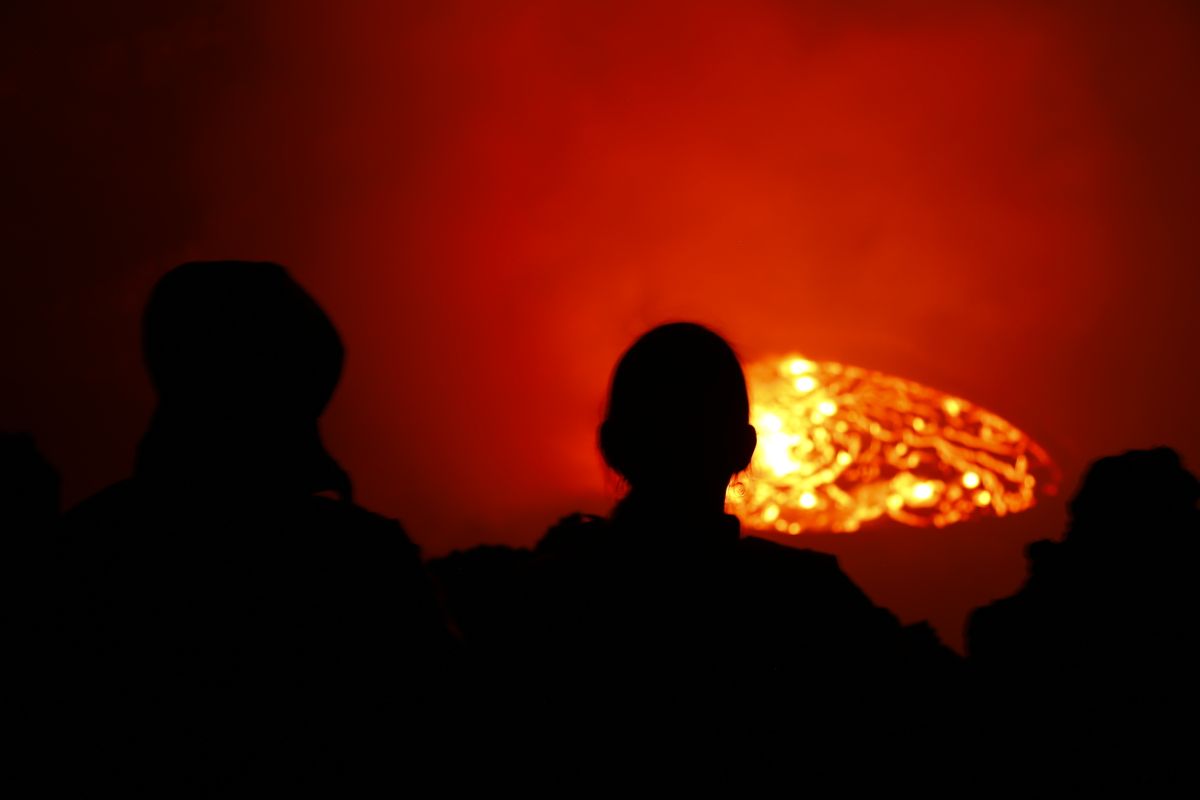
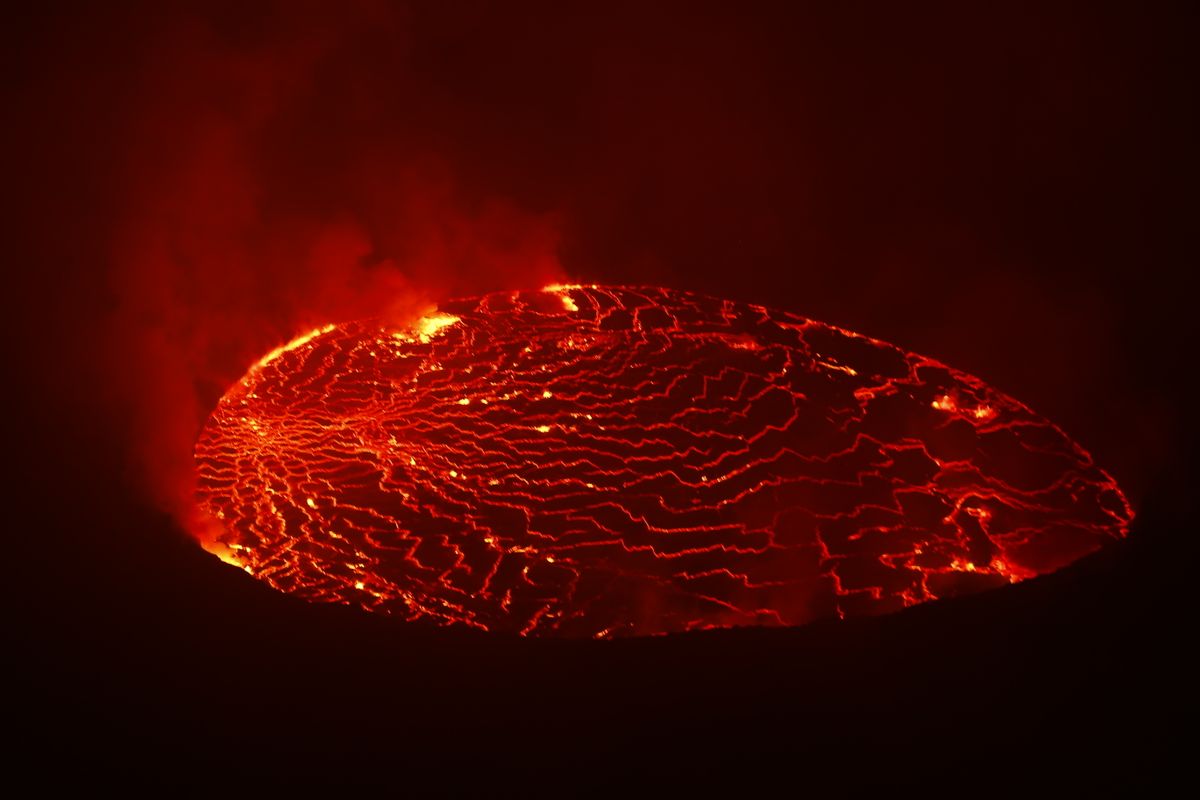
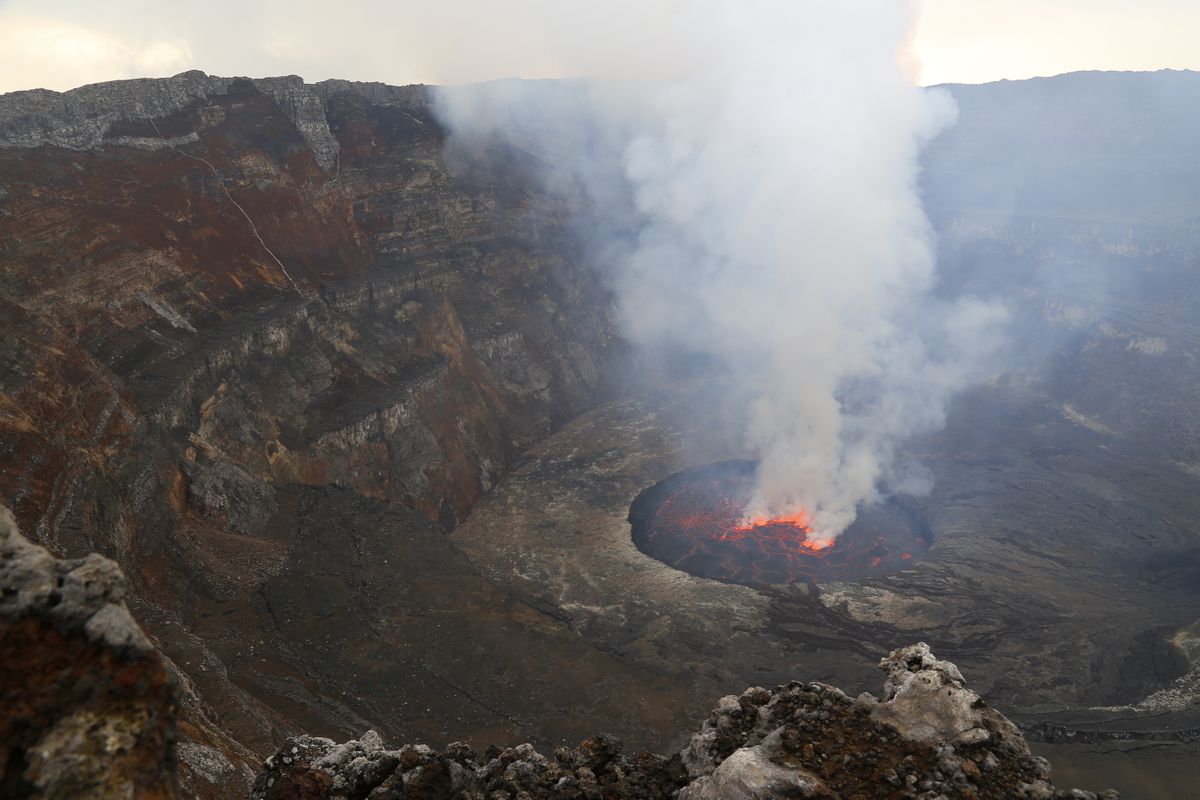
Our final two days were spent at the active volcano - Nyiragongo. The five hour climb straight up the side of Nyiragongo Volcano is well worth the reward! After catching my breath and inching my way cautiously to the rim I was rewarded with a view of the World’s largest lava lake lying some 350+ meters below me in the crater. The hot gases exploding and the mosaic pattern created within the lake are stunning to say the least. As night fell and the intensity of color increased I found myself in a hypnotic state watching the glowing cracks in the crusted service of the lake change patterns – it was very difficult to break away to get some sleep.
Photos & text by Suzanne Spencer
Explore by date